
Saint Neri Cocktail Bar
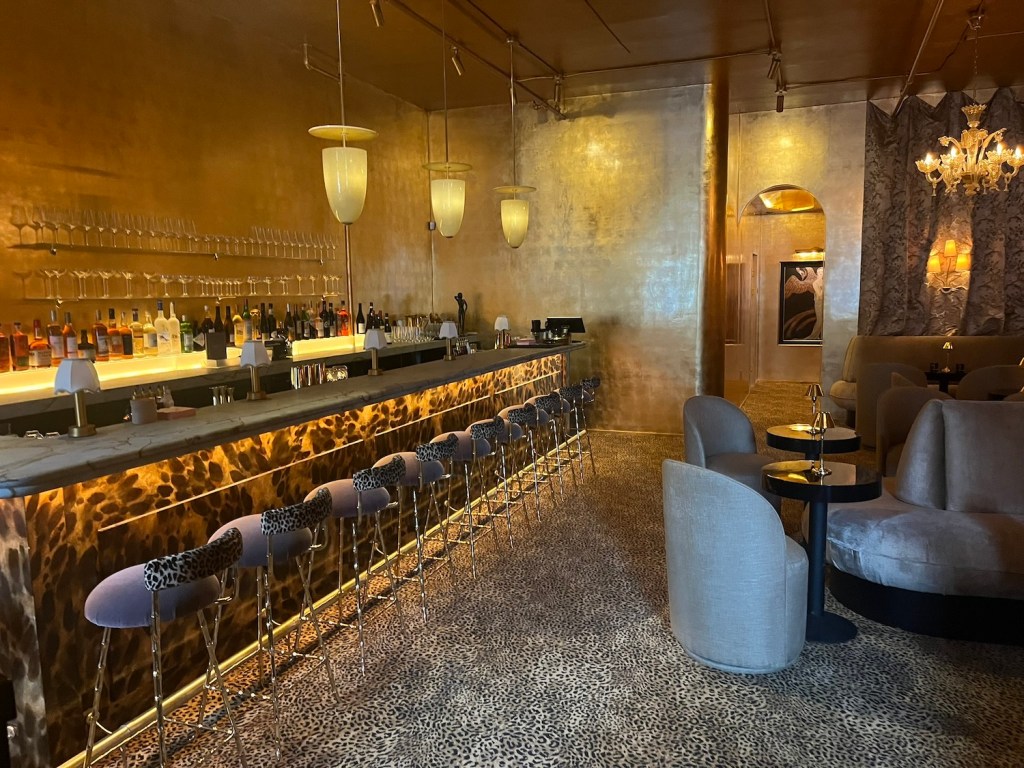
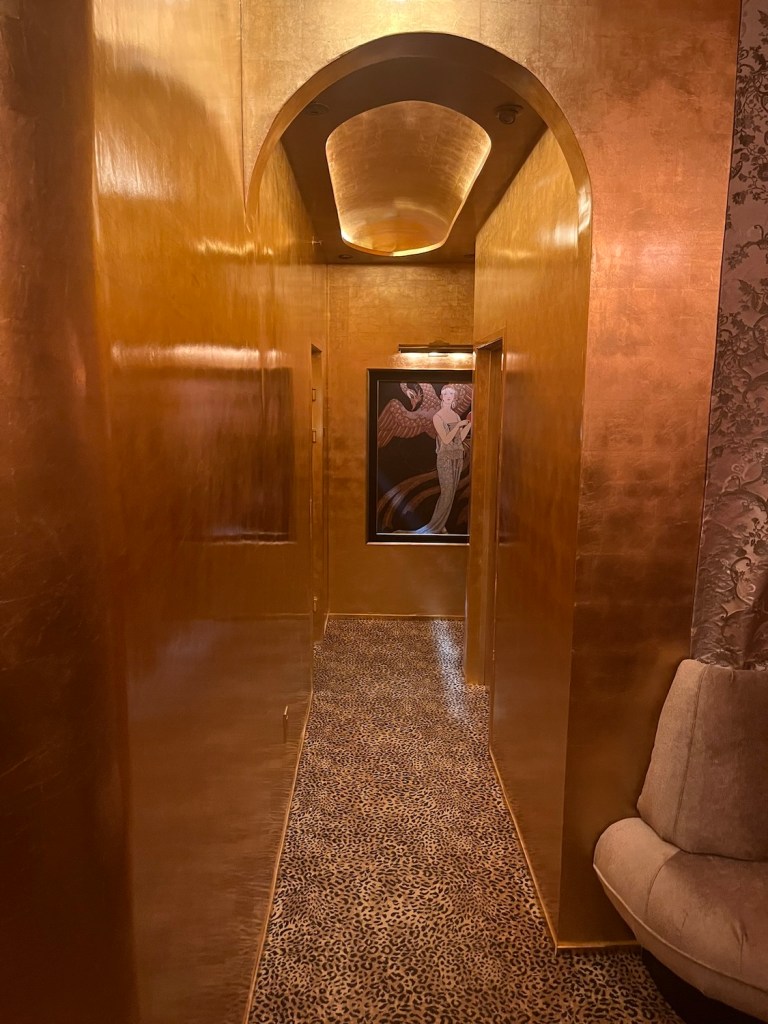
Saint Neri, a bar and restaurant located in Buffalo’s Elmwood Village, is the brainchild of internationally renowned designer Sam Amoia and entrepreneur Michael Woltz. I was responsible for executing their vision, which included gutting an existing restaurant space and rebuilding it both mechanically and aesthetically in just four months.
An incredible amount of attention to detail went into executing the owners’ very specific vision for how the room should feel and how the mechanicals interacted with the design. I ensured that the multitude of tradesmen involved worked in harmony to install high-end details like a high-end commercial kitchen, custom banquettes, hidden HVAC systems, a specialized lighting scheme and European finishings. In the end, the photos speak for themselves — and if you’d like to see more, please check out our recent write-up in Forbes.
The Ruth on
Main Street
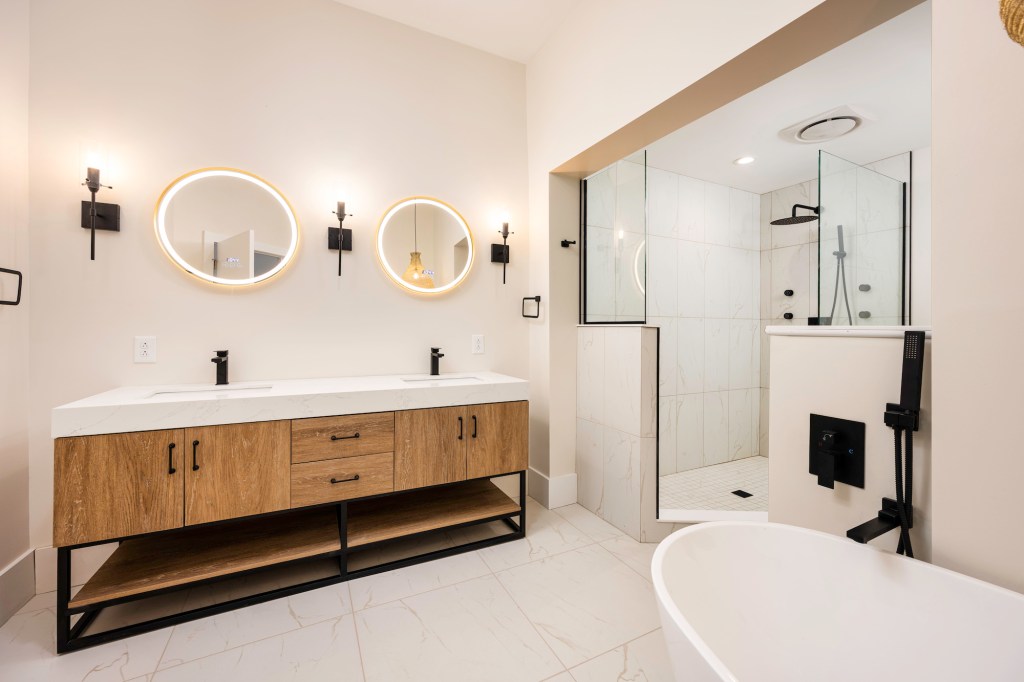
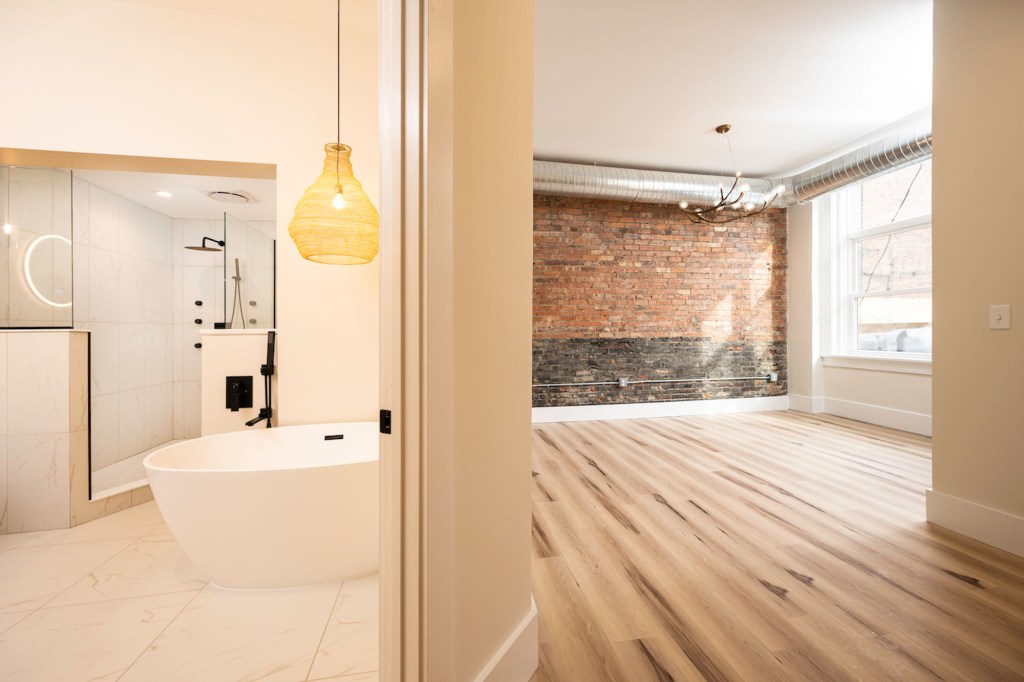
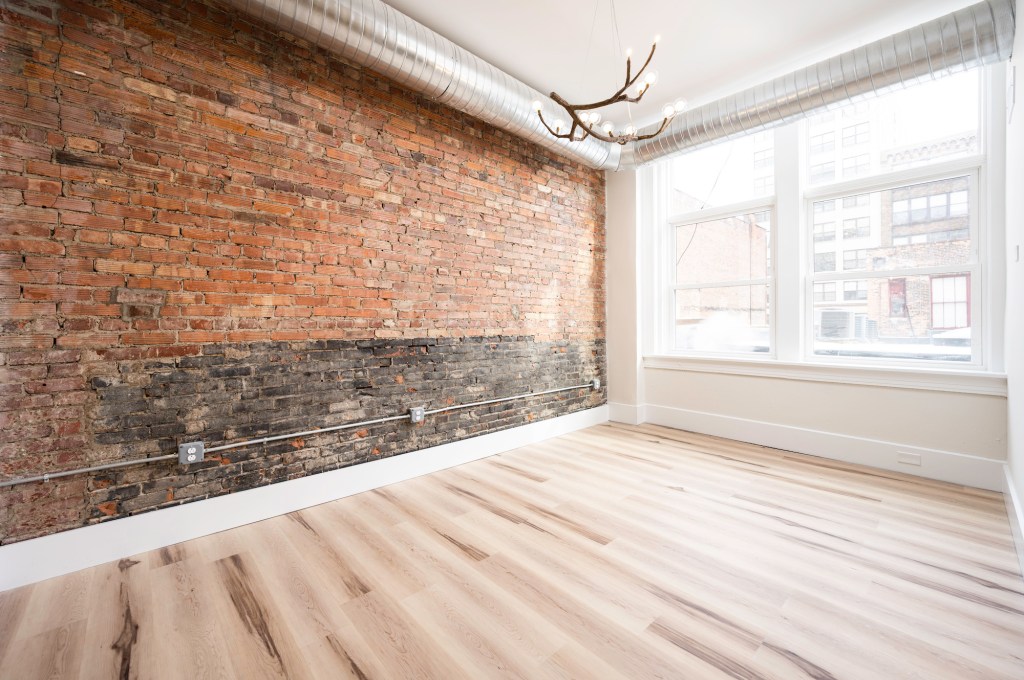
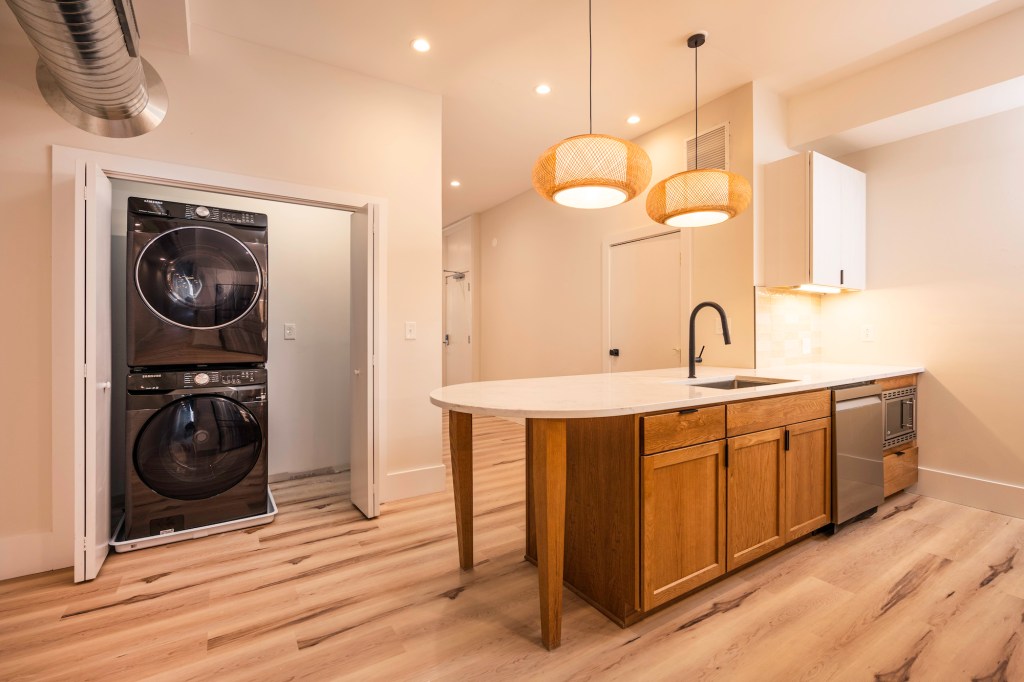
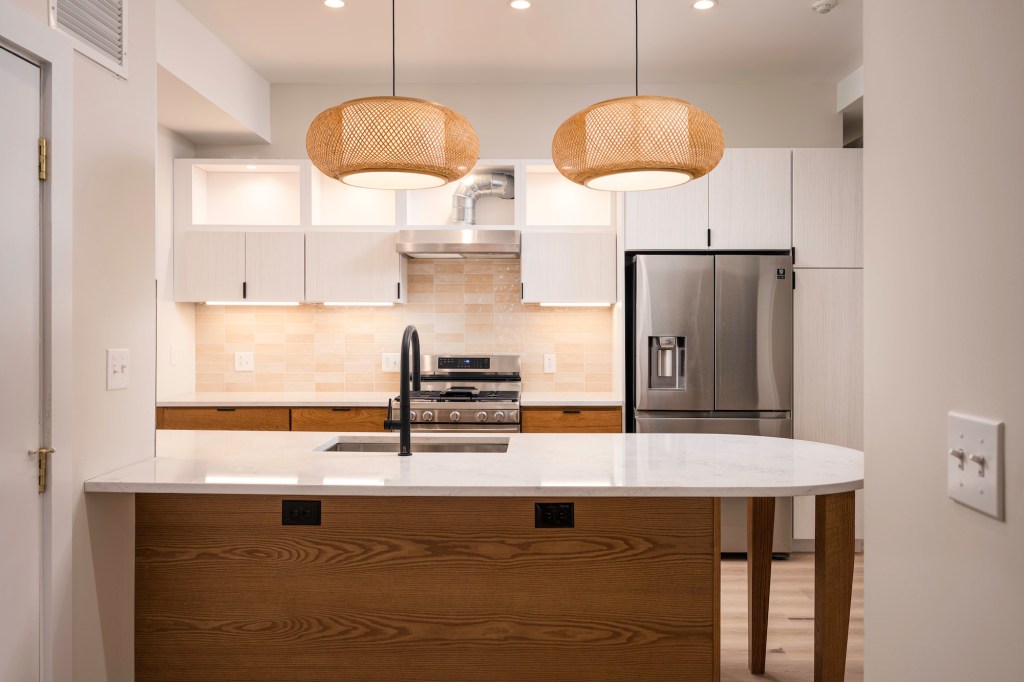
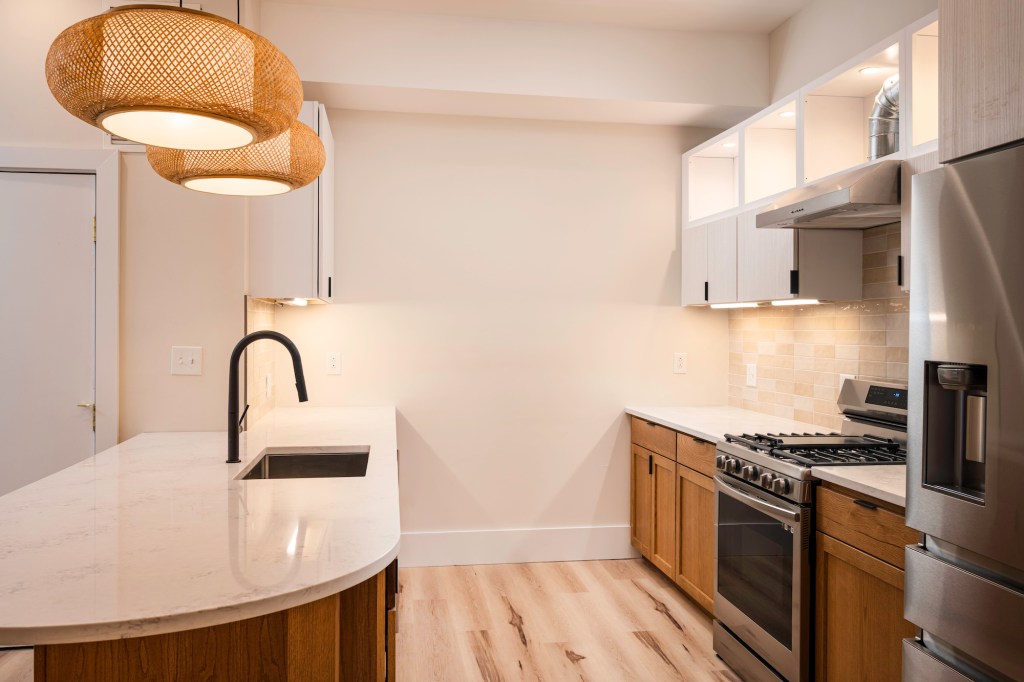
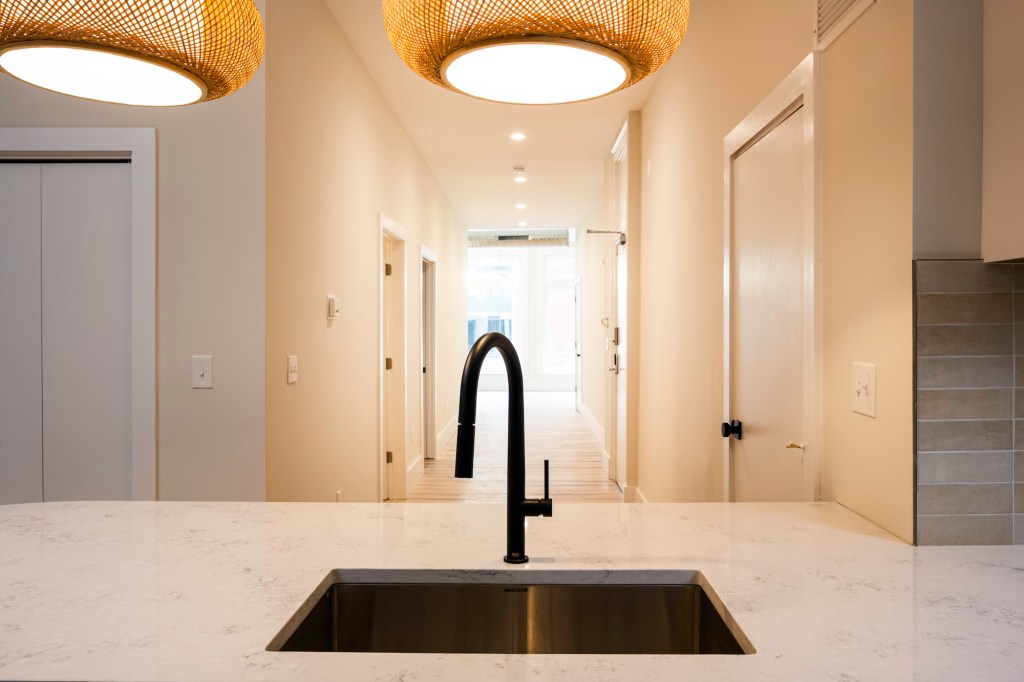
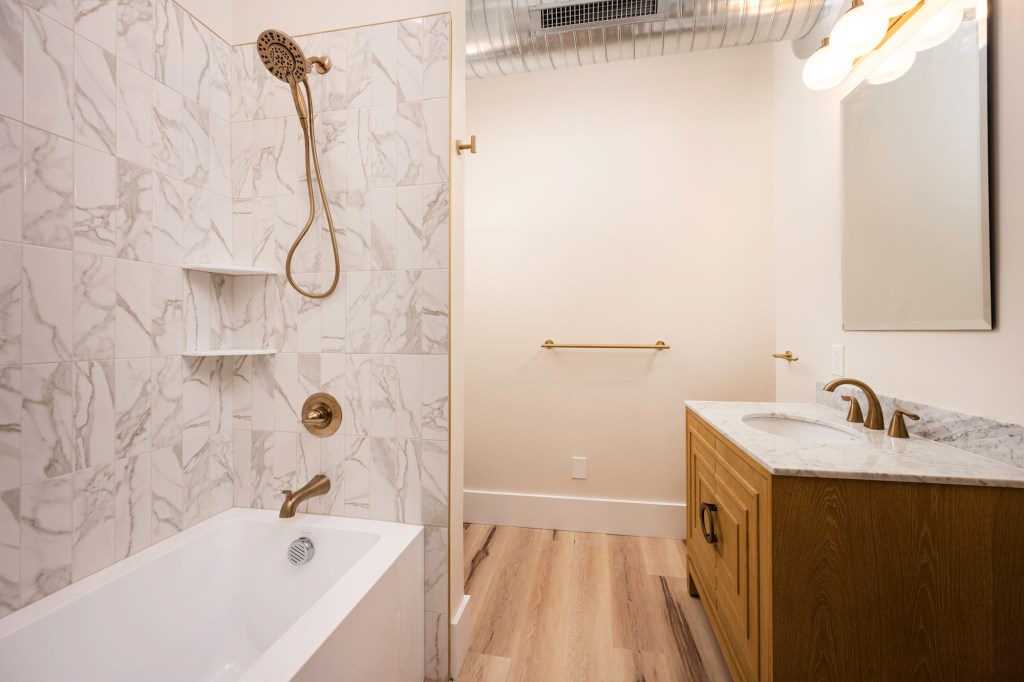
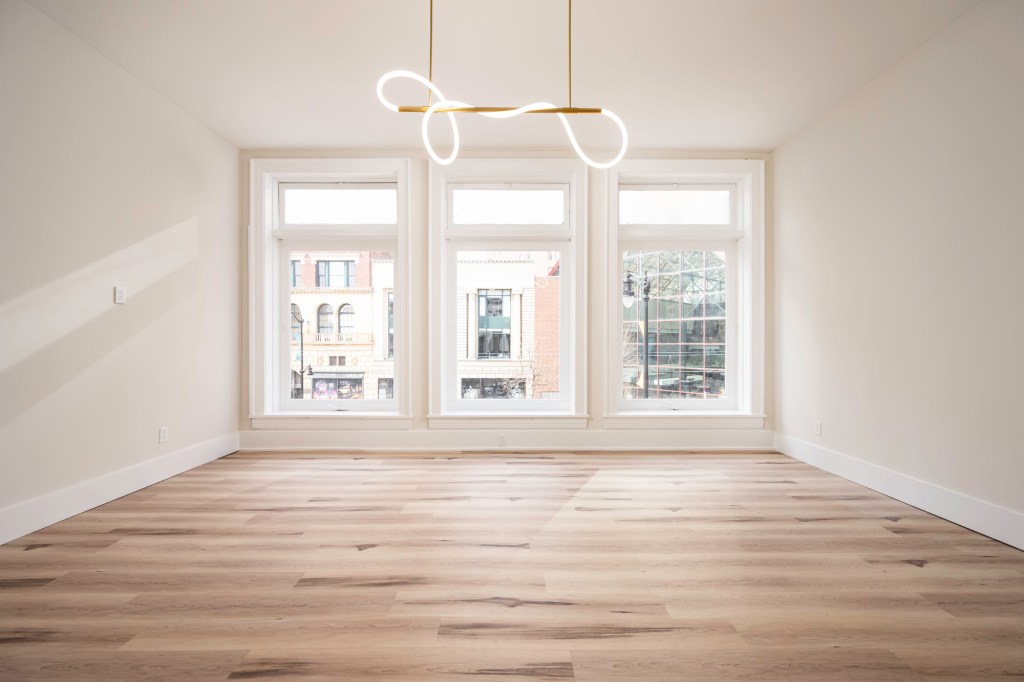
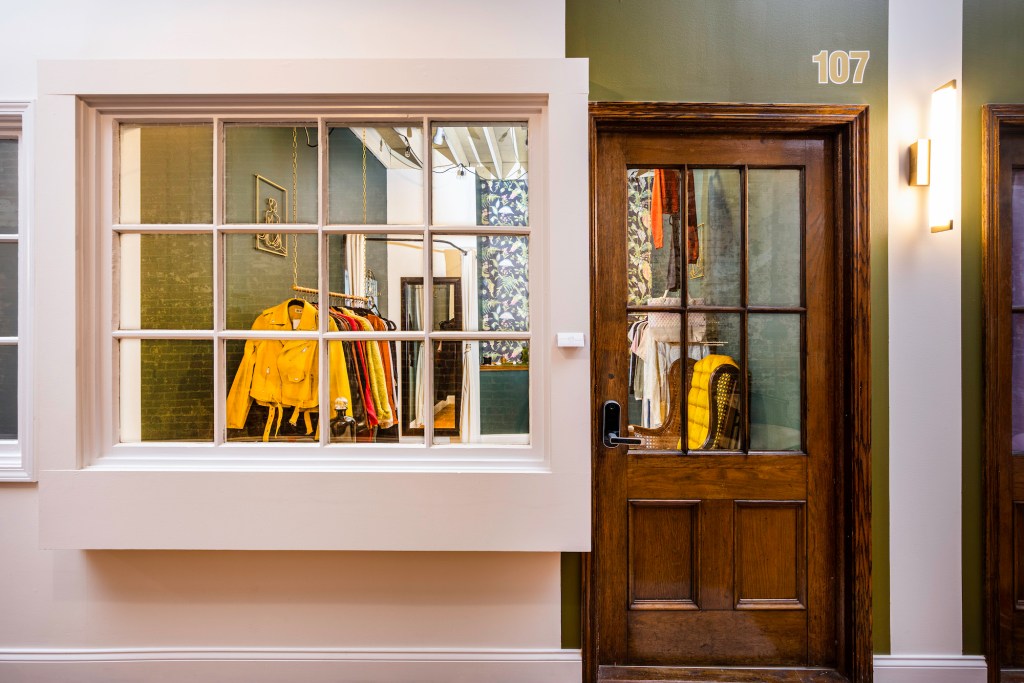
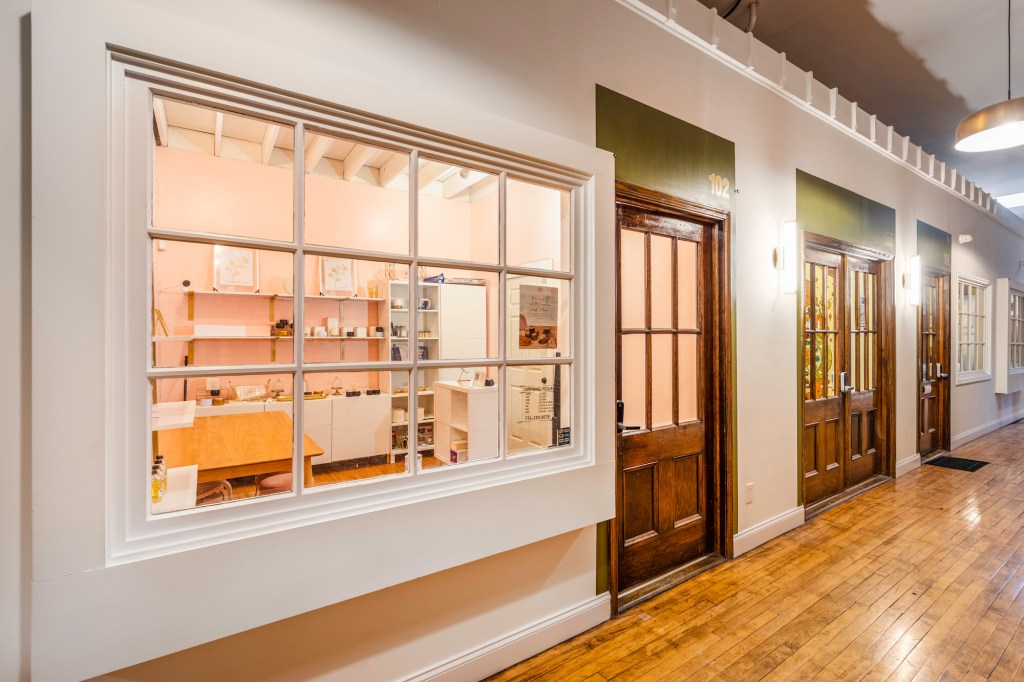
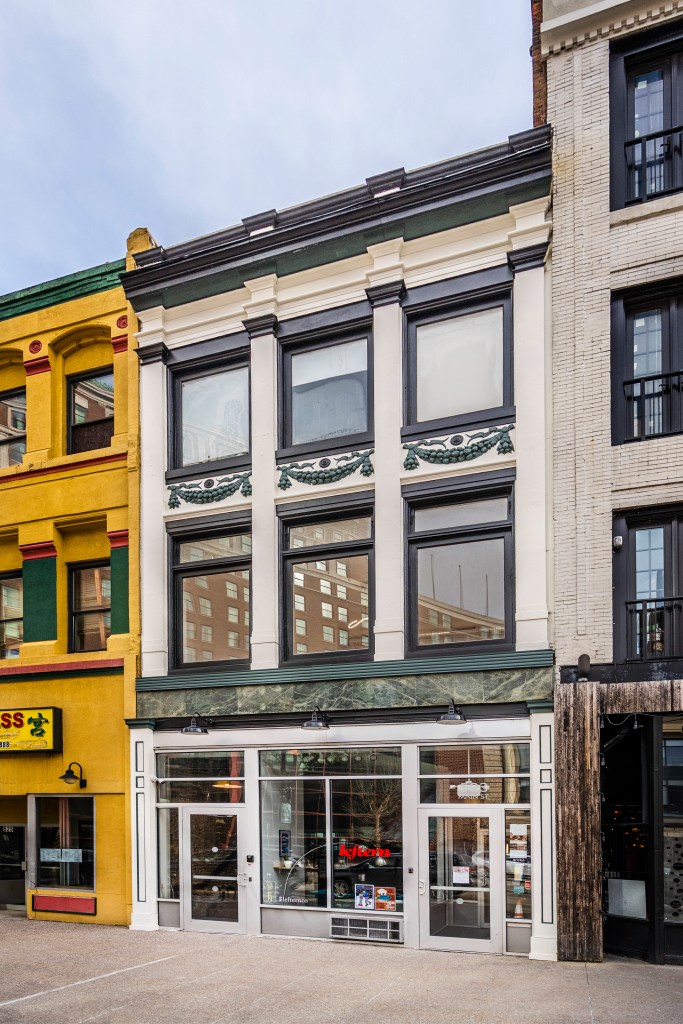
Located on the 500 block of Main Street in the heart of Downtown Buffalo, this mixed use commercial-residential building was in need of a transformation. The long-vacant second floor commercial space was converted into a 1,600-square-foot, two-bedroom, two-bathroom luxury apartment specifically designed with a flexible layout to appeal to a wide variety of renters.
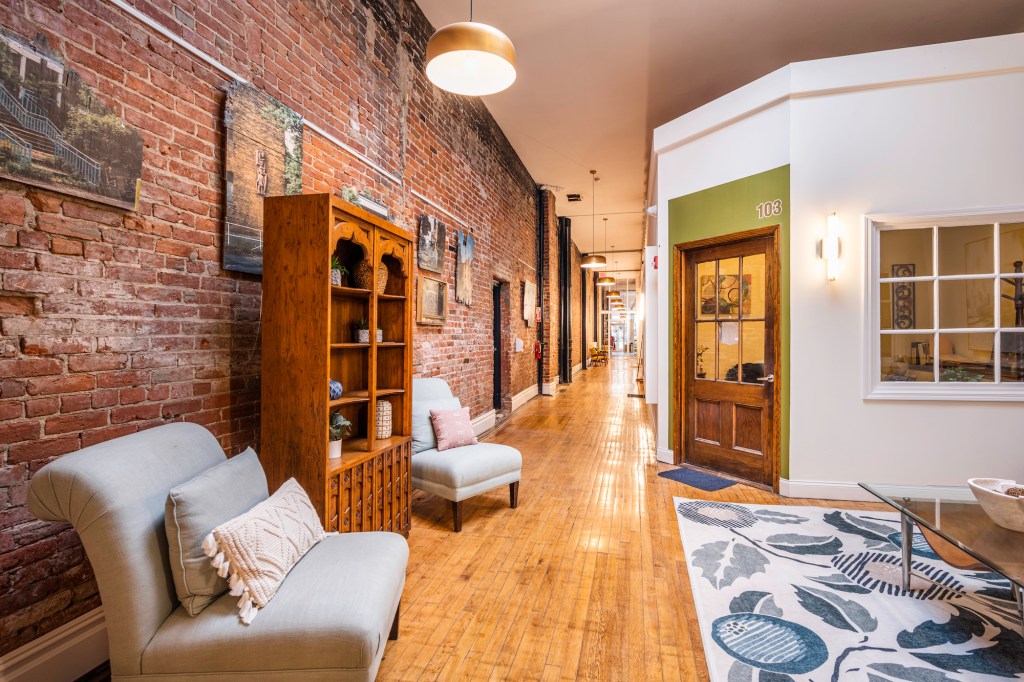
The first floor commercial space was overhauled to attract a new generation of creatives, makers and entrepreneurs post-pandemic. In addition, the facade of the building got a street-level facelift, aiding in the beautification of this revived downtown corridor.

The Coatsworth Mansion
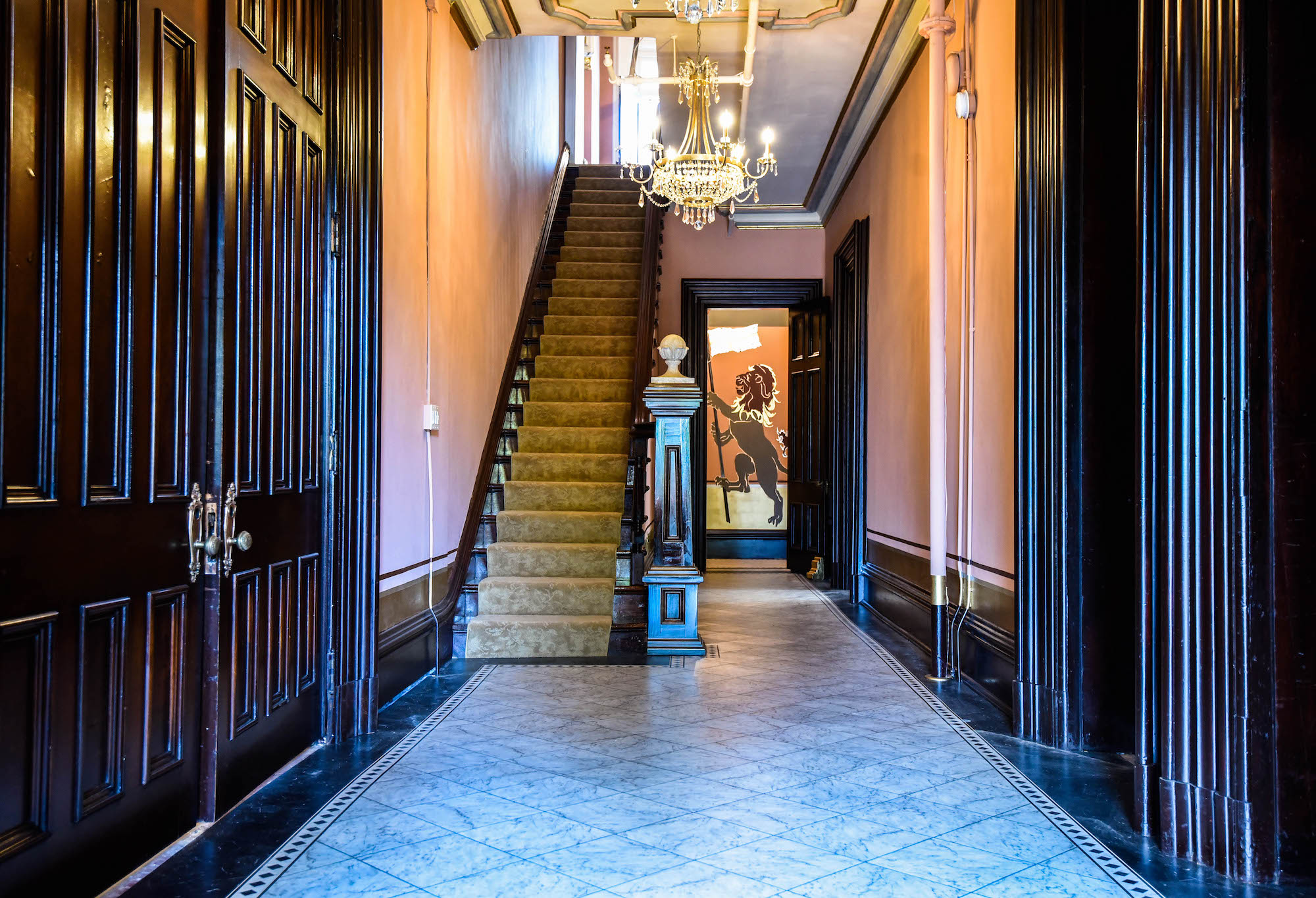
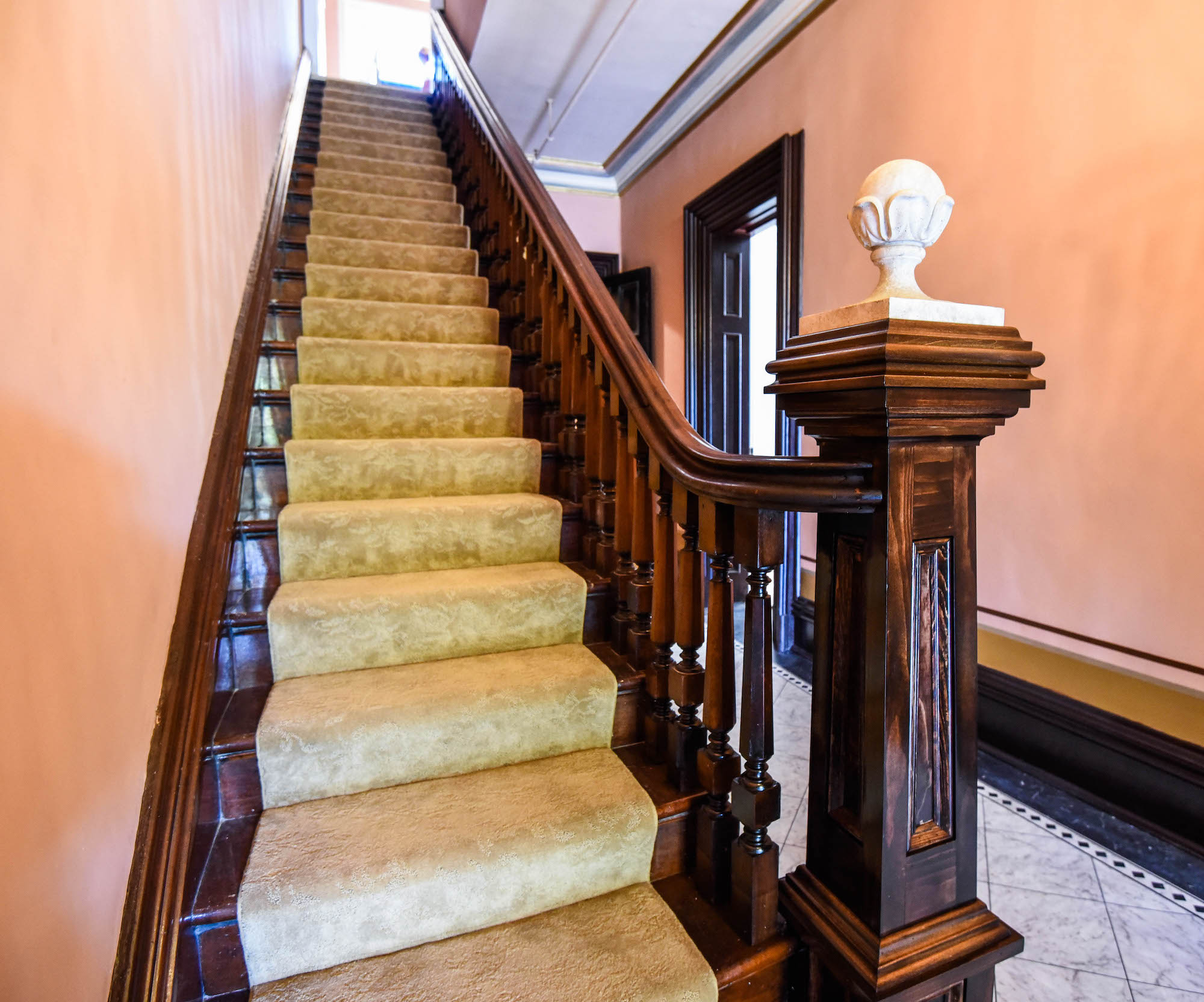
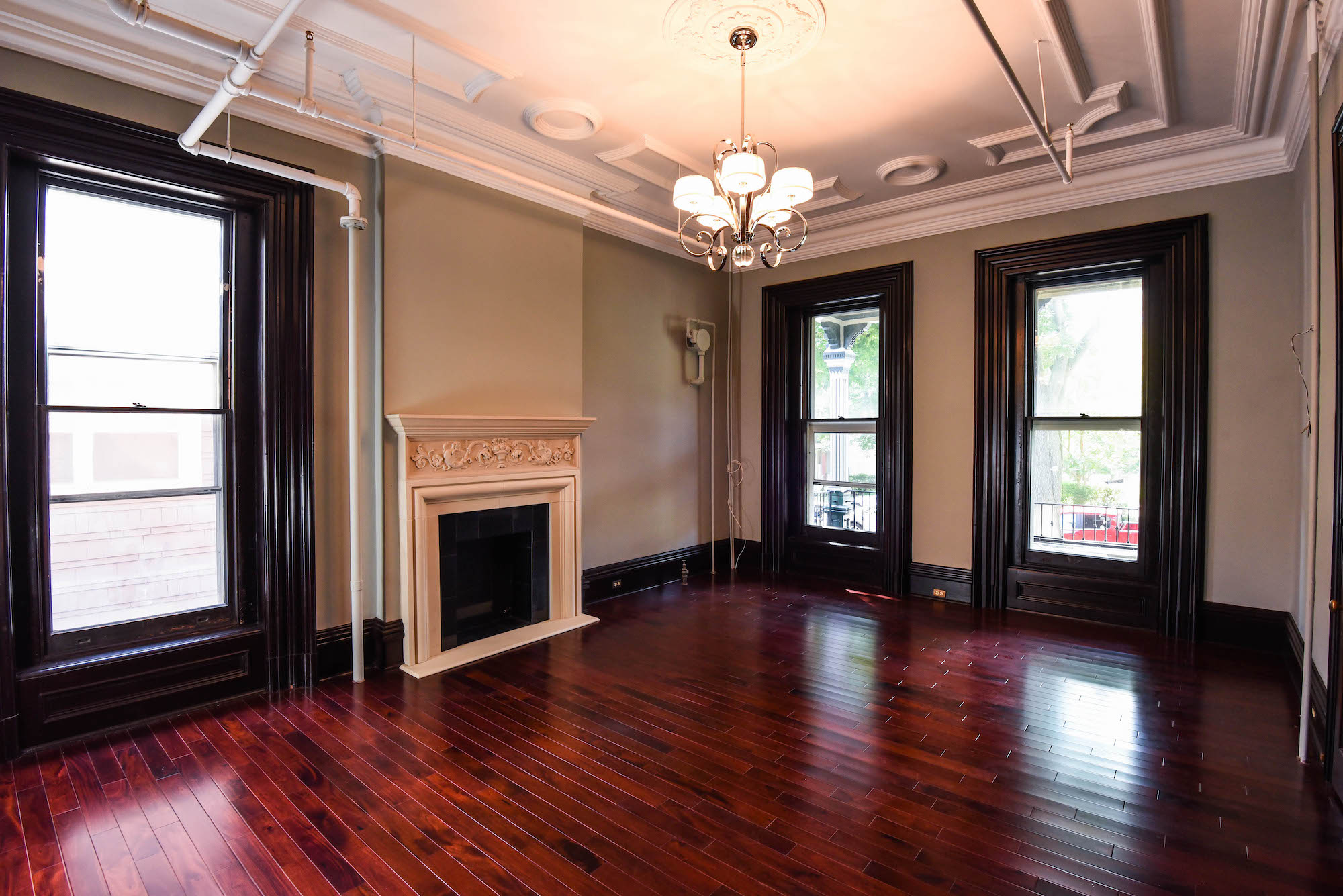
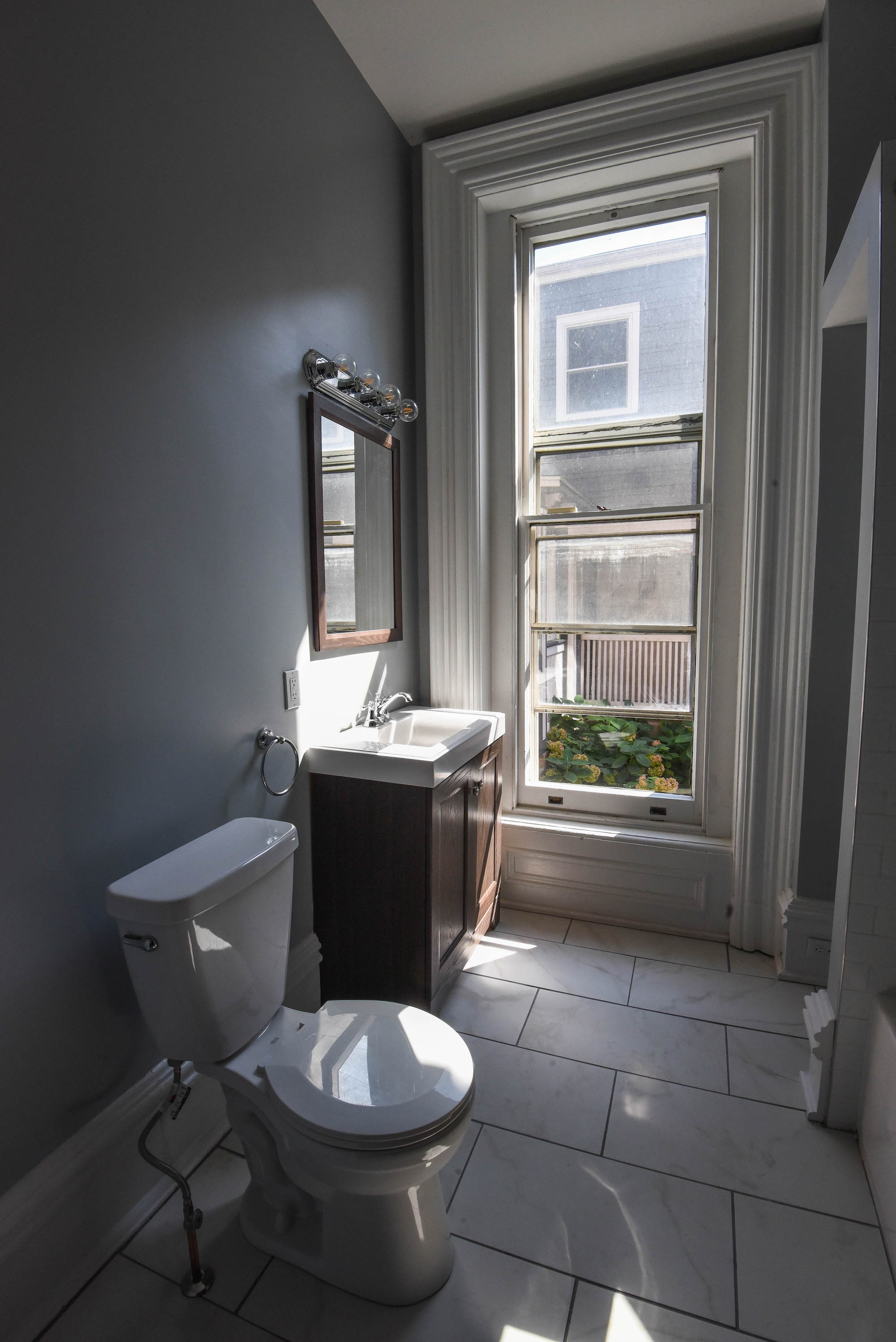
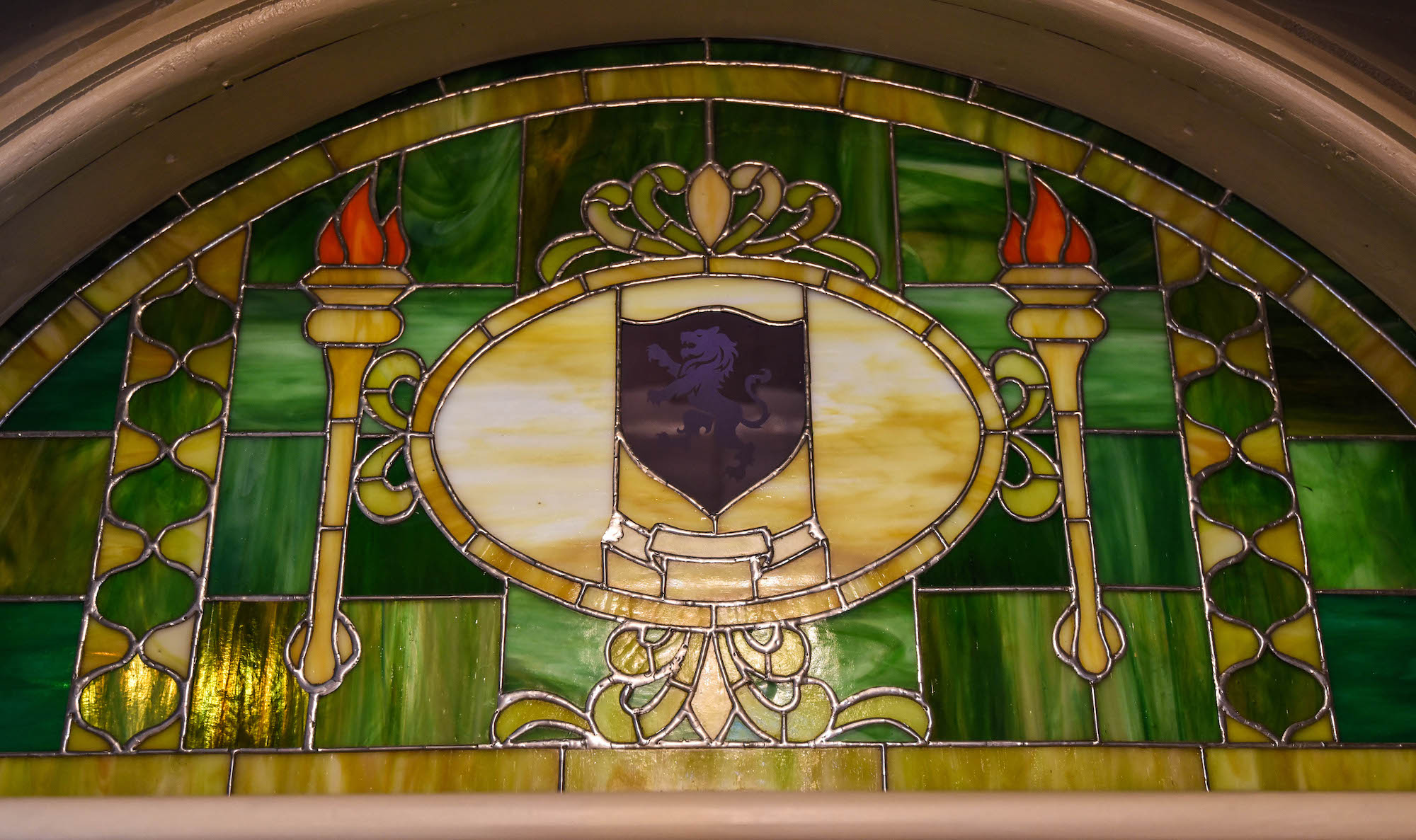
This Second Empire-style historic mansion dates back to the 1860s. At point of purchase, the once-prominent property was a four-family home that had fallen into significant disrepair. With approvals from the city’s Preservation and Zoning Boards, we converted it to a 10-unit building with apartments of varying sizes. It later received approval from the Federal Parks Department for Historic Tax Credits.
The units were carefully designed to maintain as much as historic integrity as possible while appealing to a modern renter. The building ultimately stabilized and can be maintained successfully for another century and a half.
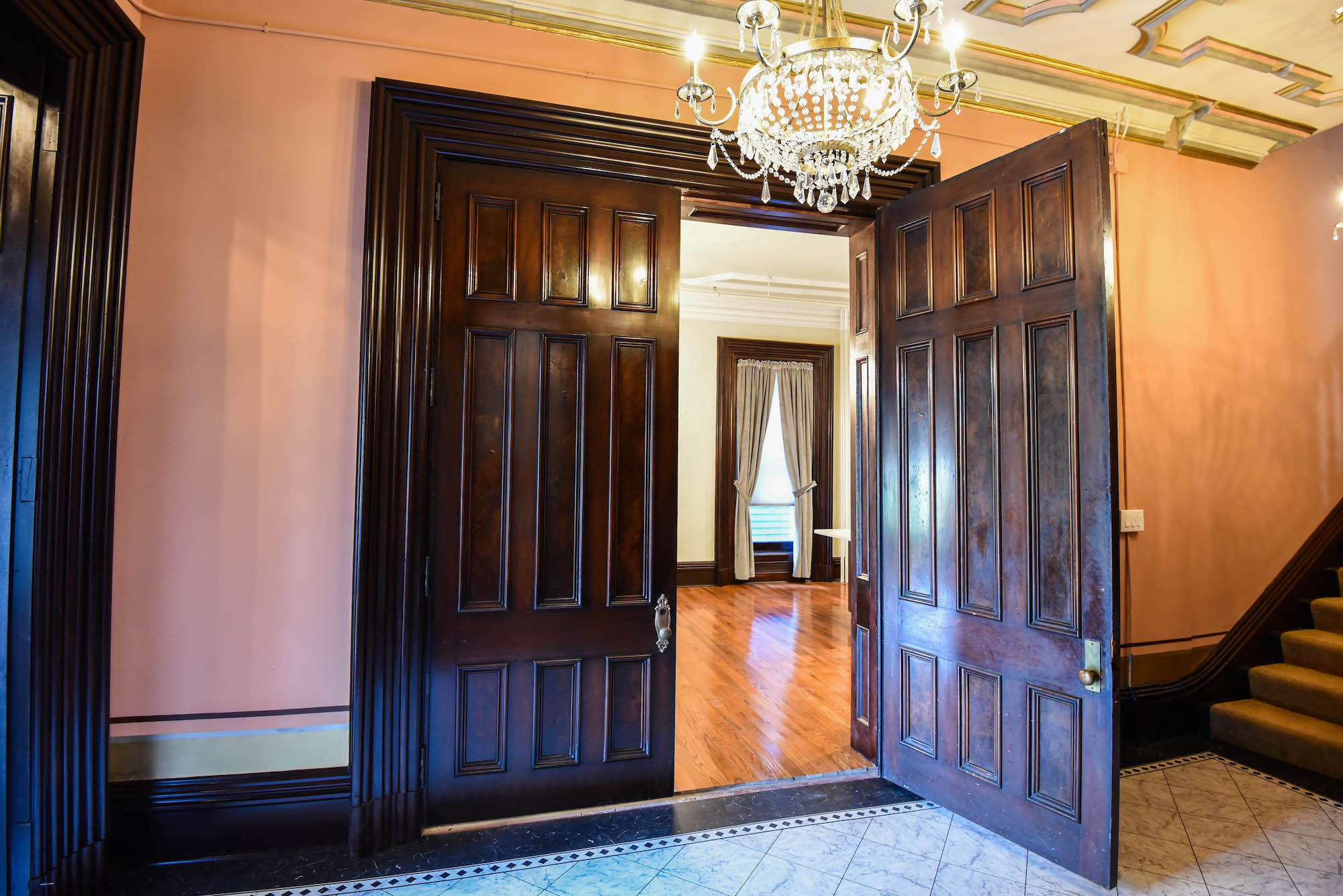
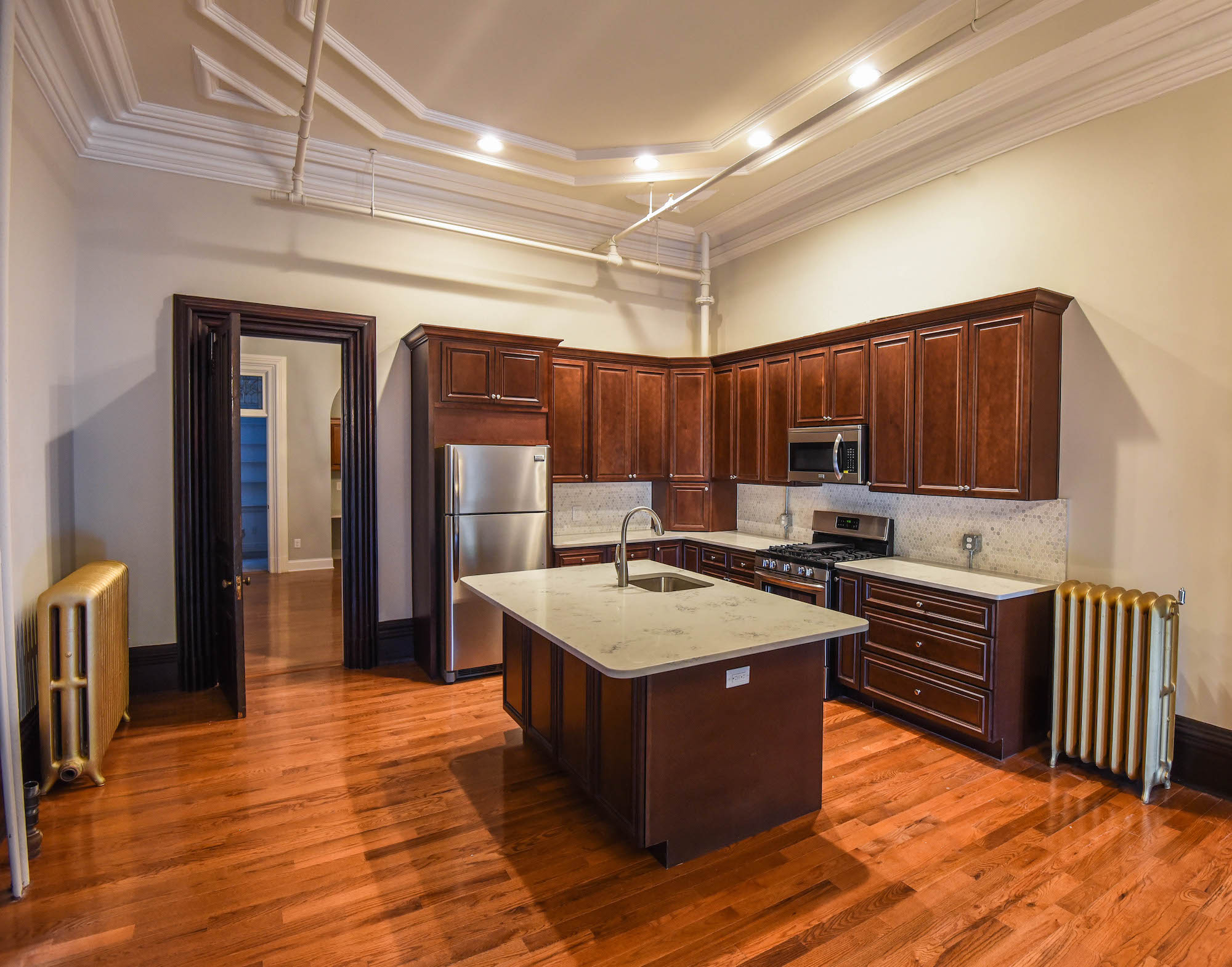
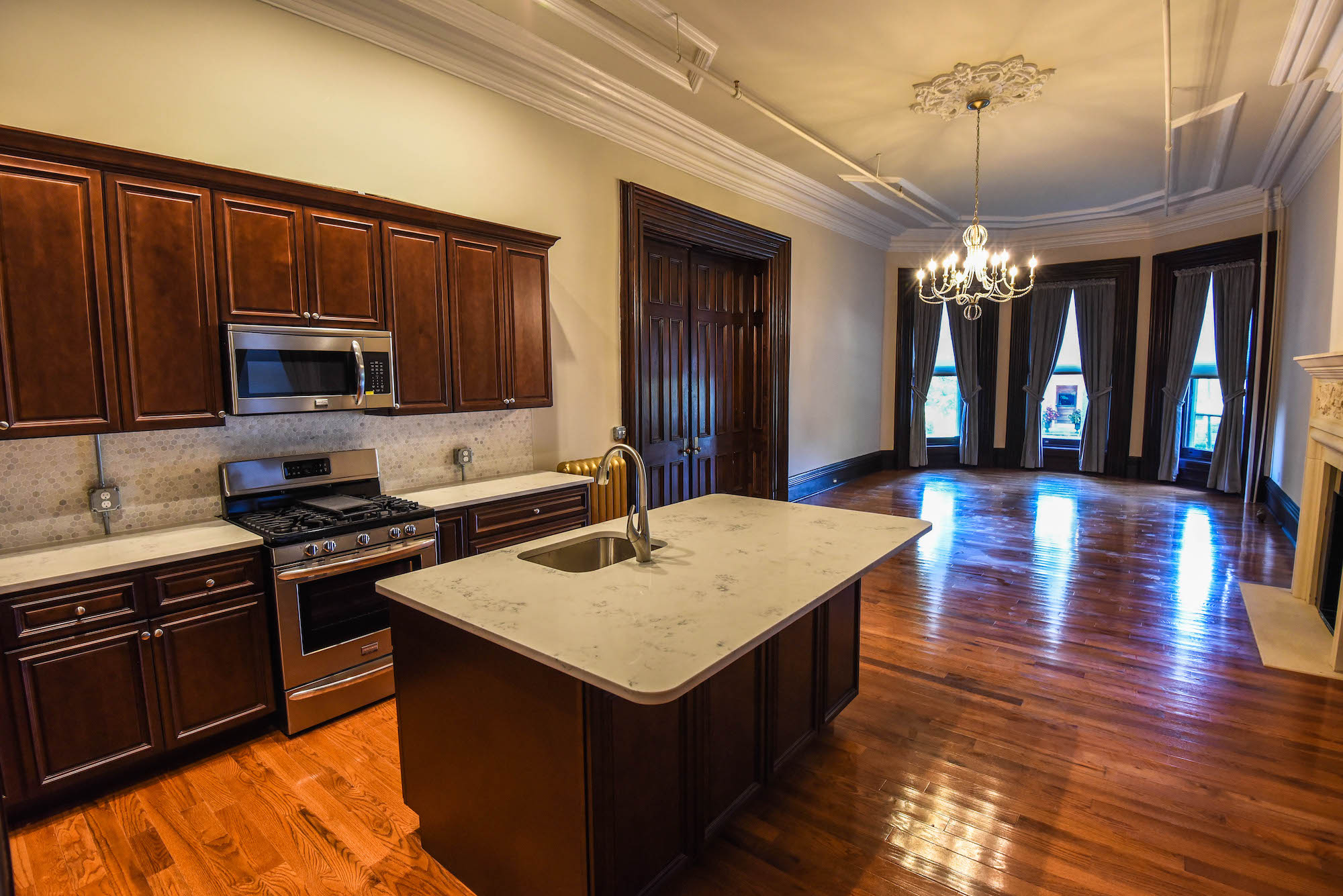
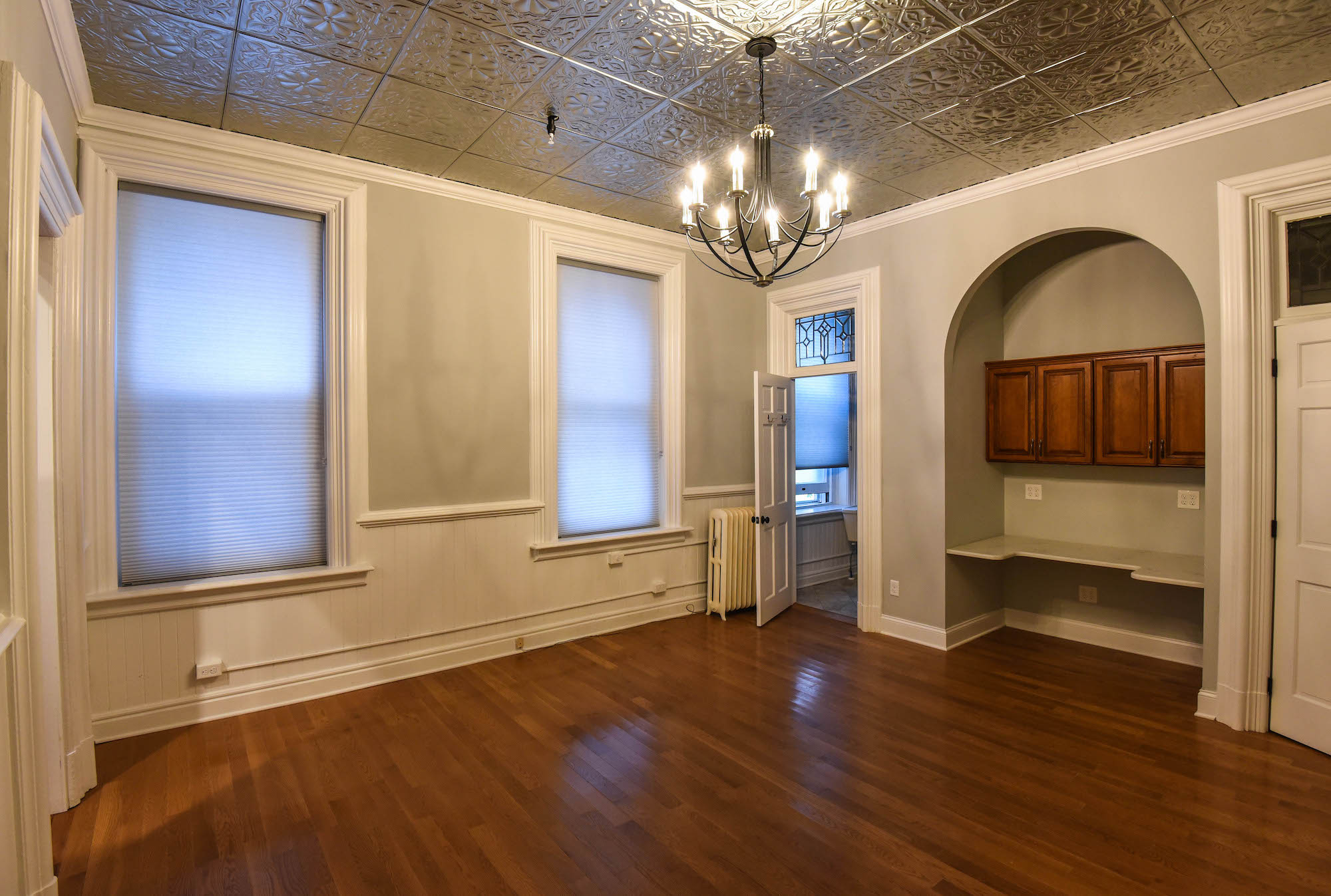




Linwood Avenue Historic Double
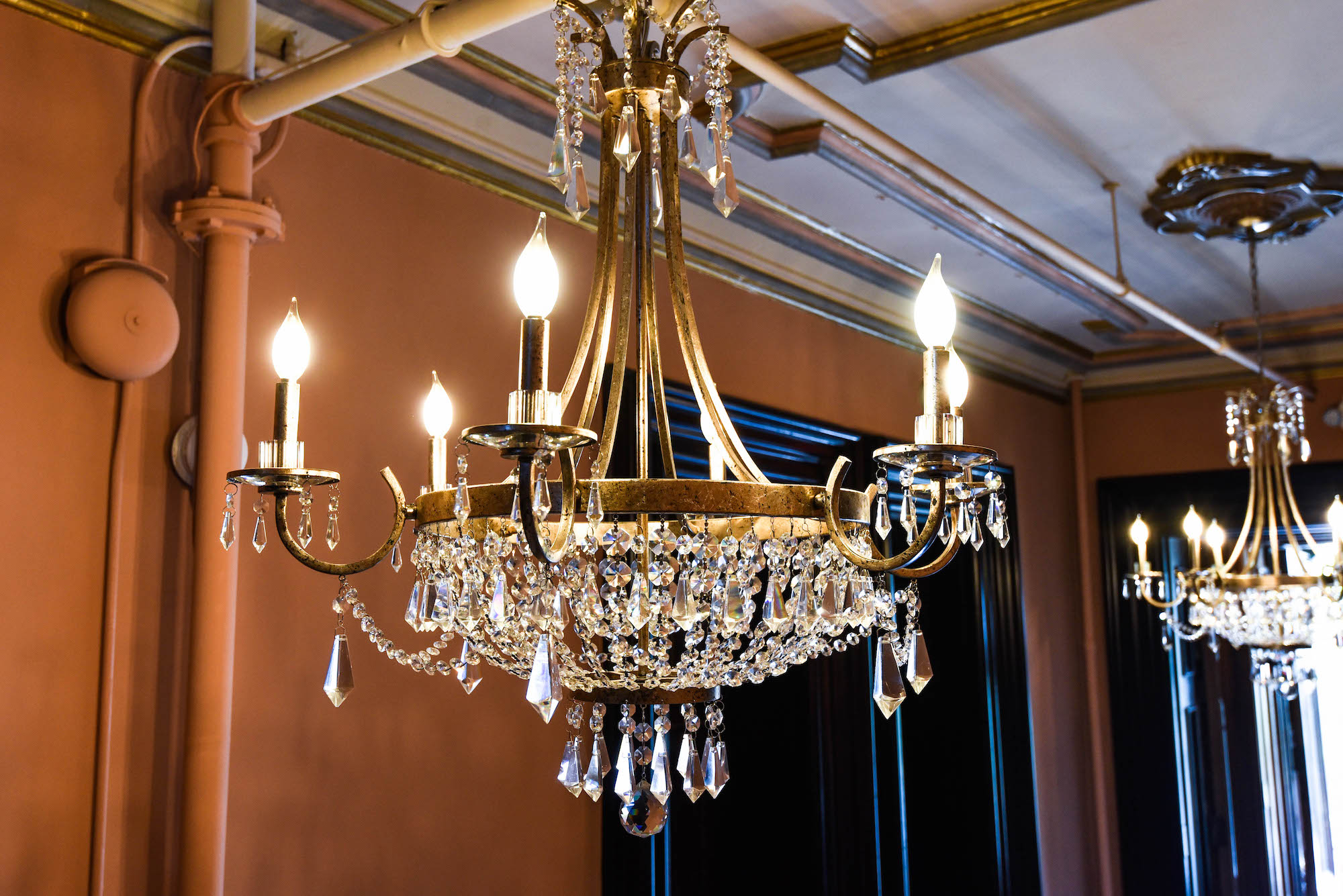
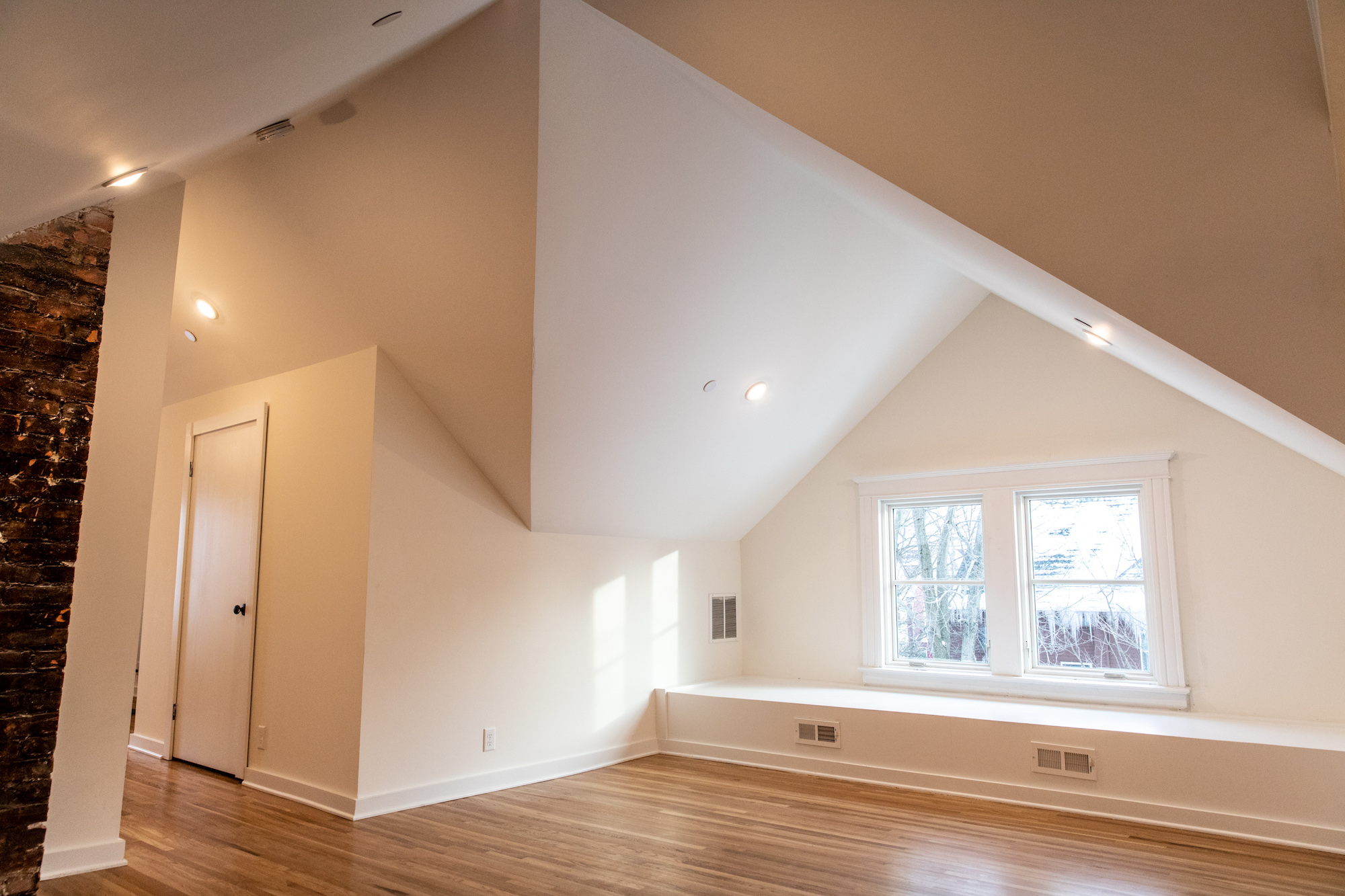
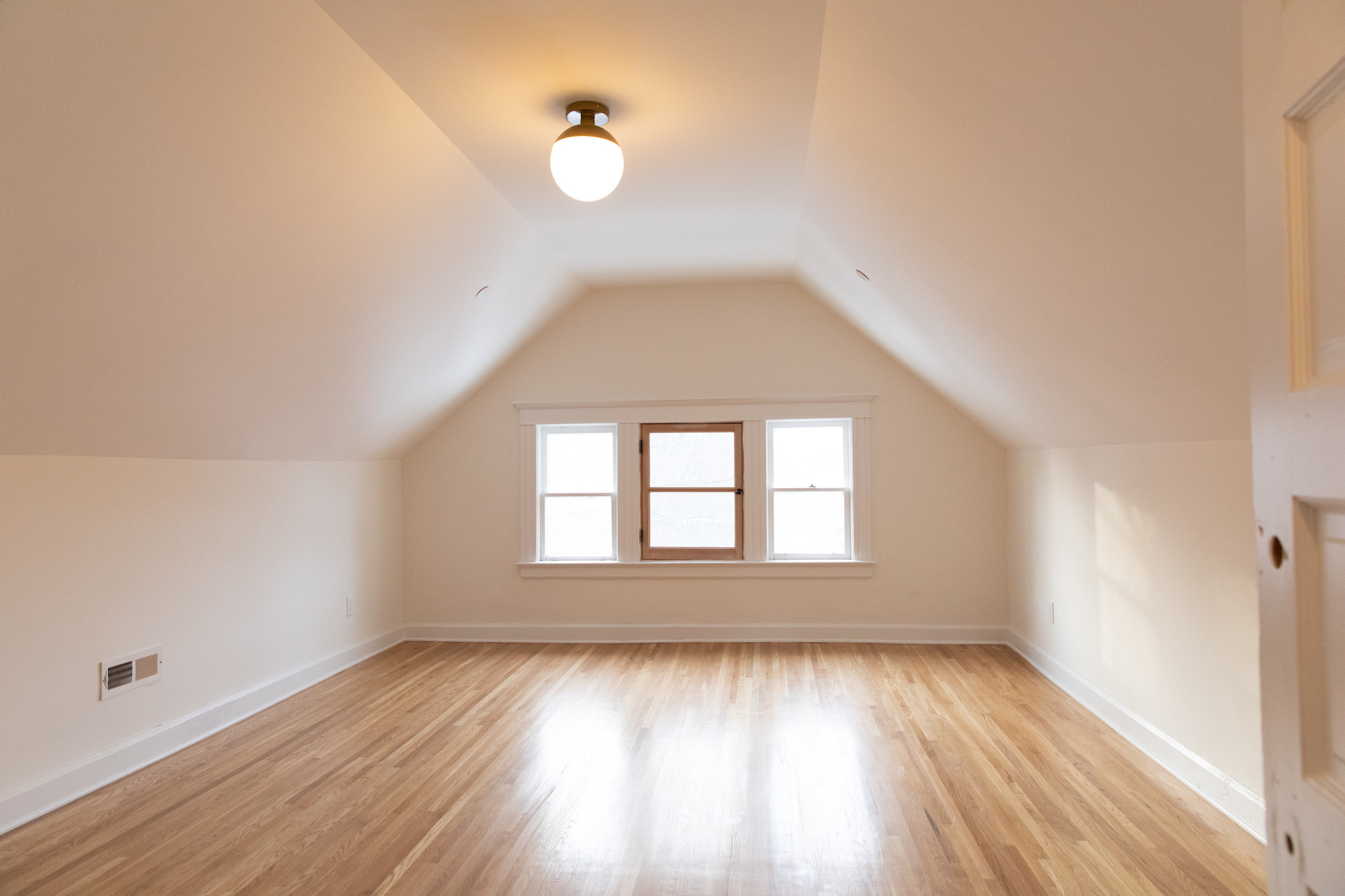
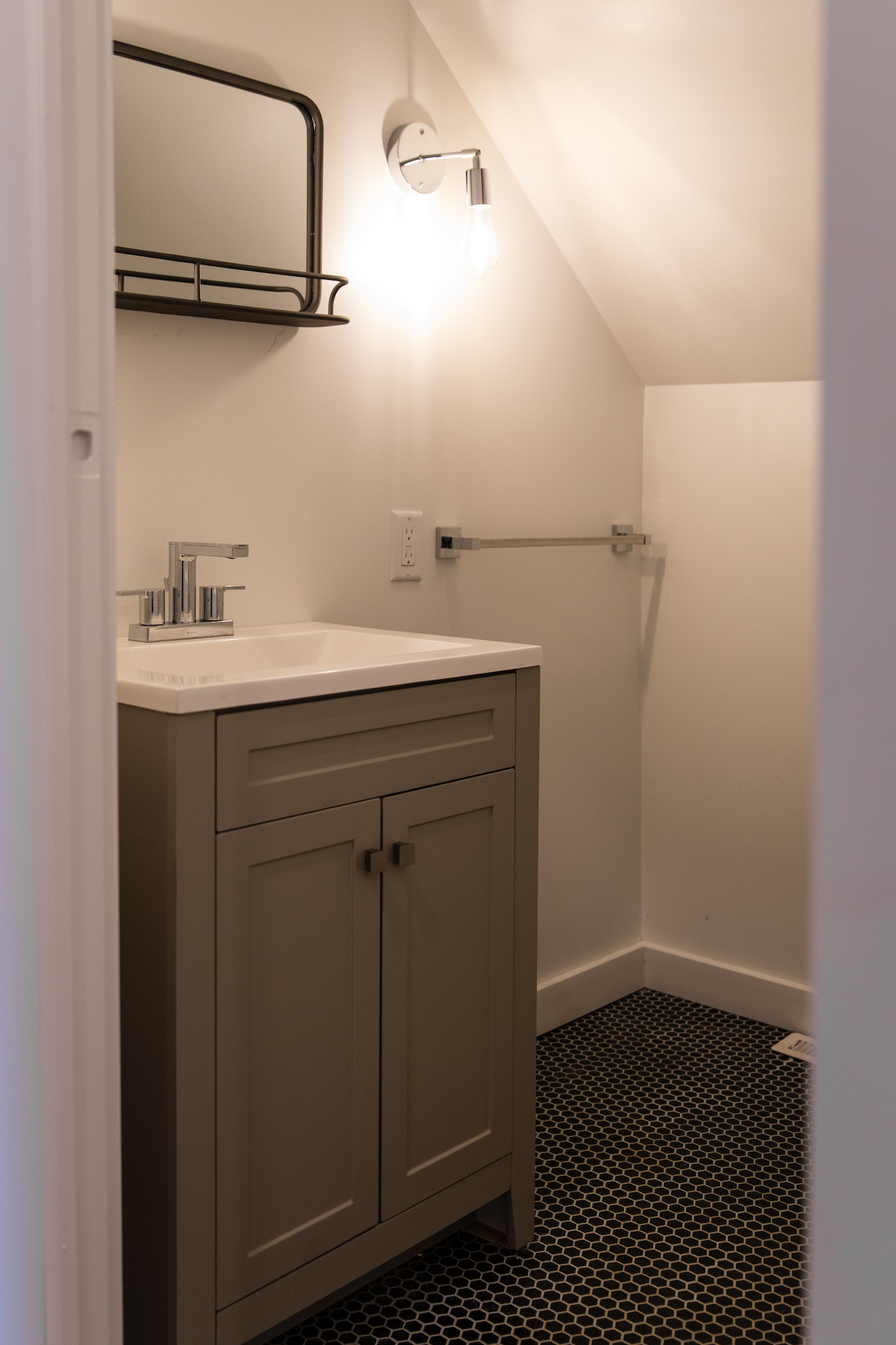
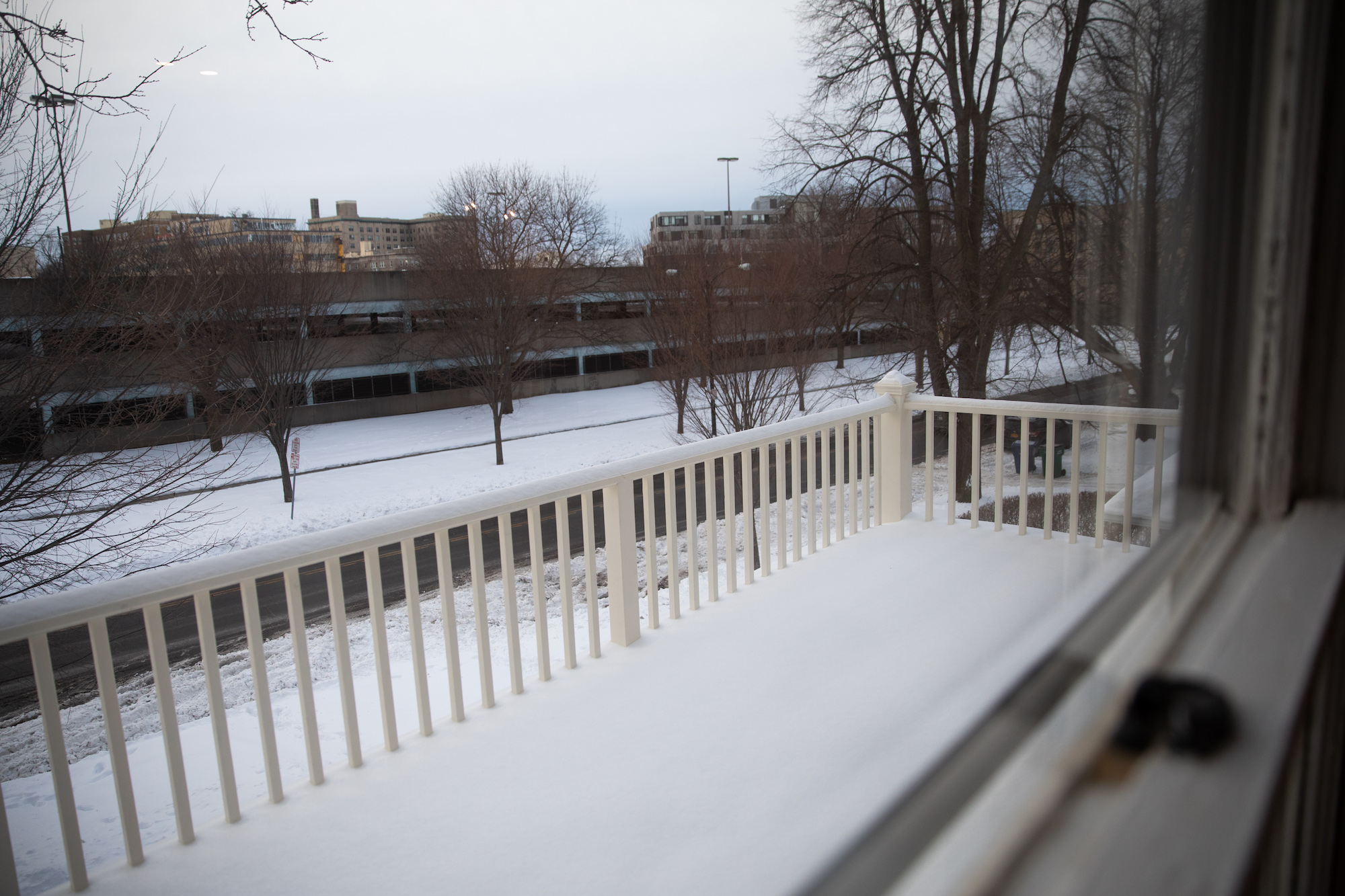
The renovation of this large double was an approved and completed Historic Tax Credit project. In the upper owner unit, the attic was converted into legal living space via a new sprinkler system, creating a five-bedroom, three-bathroom home. In the three-bed, two-bath lower unit, we converted a dilapidated rear porch into a primary suite with a bathroom and walk-in closet.
Throughout the property, we carefully restored each wood window frame and installed 5,000 square feet of oak floors that were glued, nailed and finished as they would have been when the home was originally built. The result is a beautiful building that performs financially for its owner.


West Side Cottage
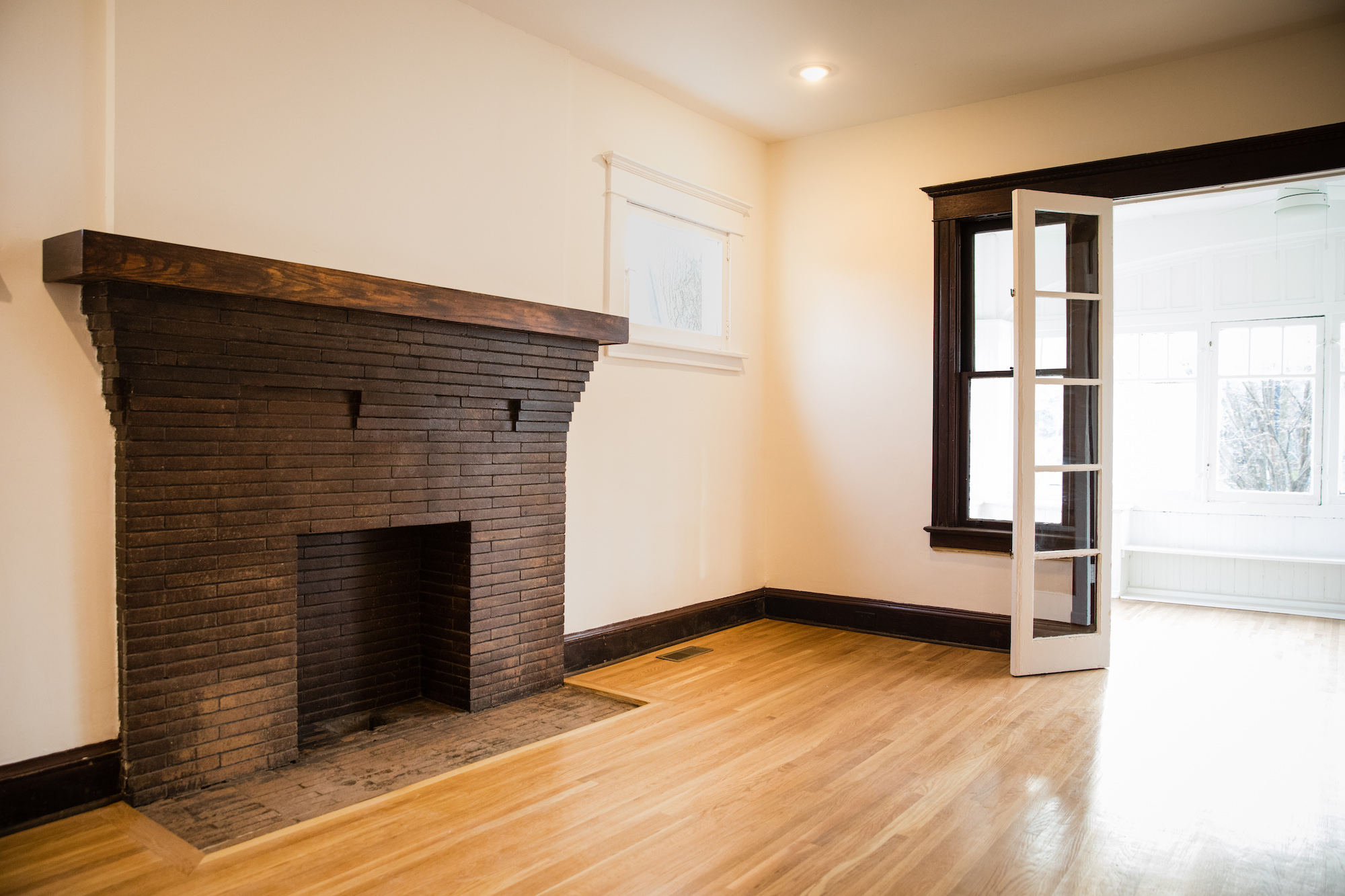
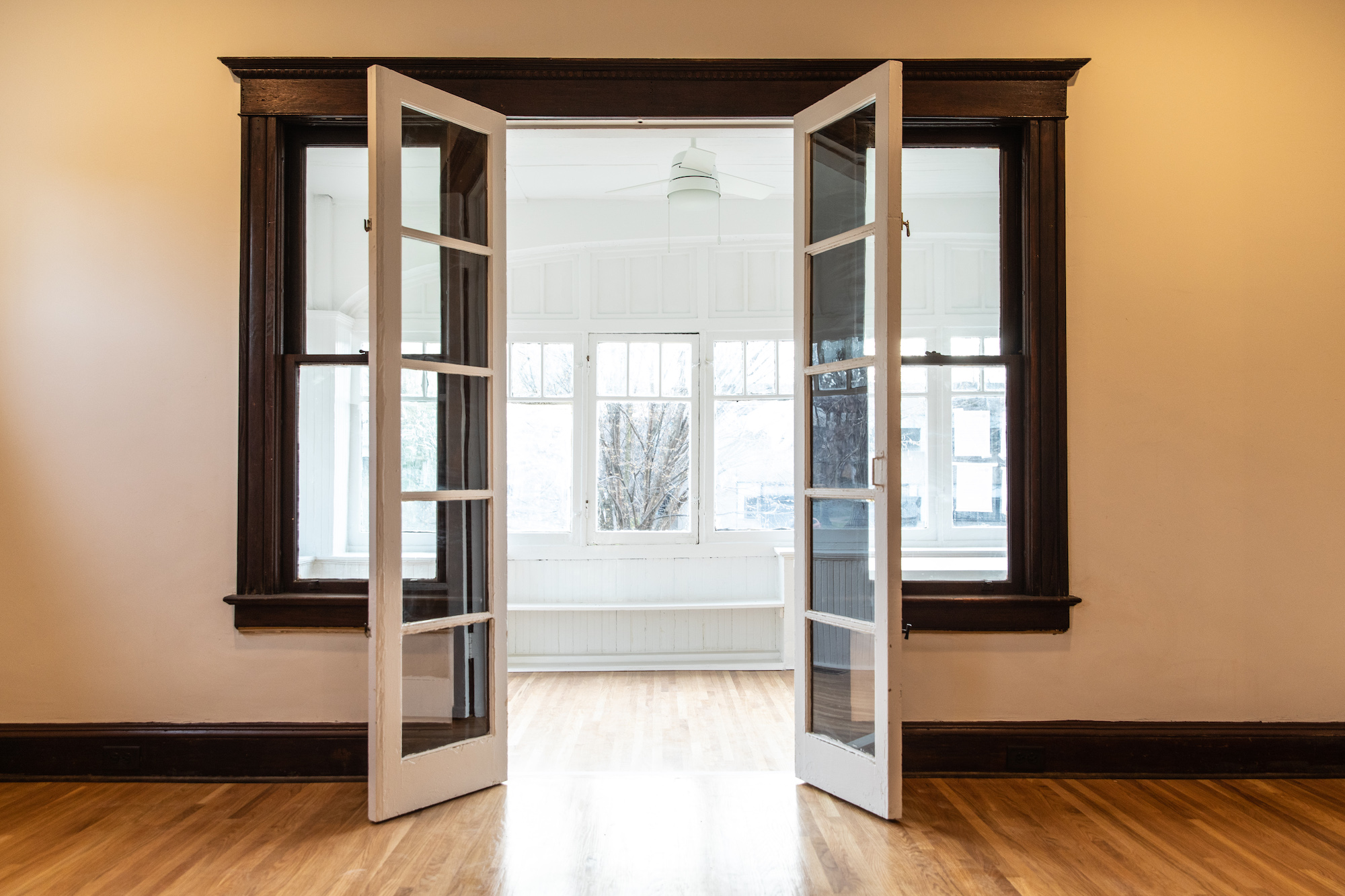
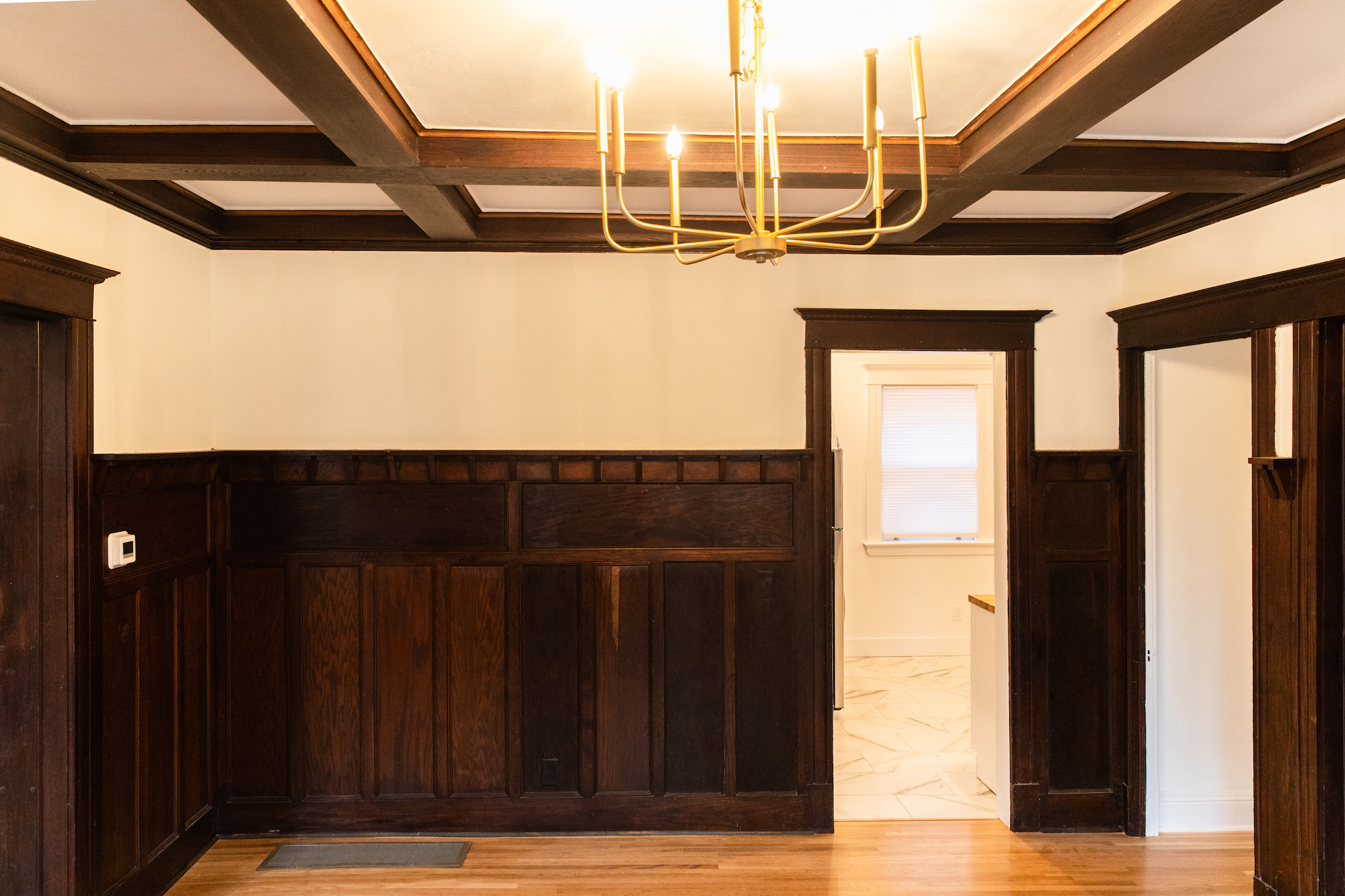
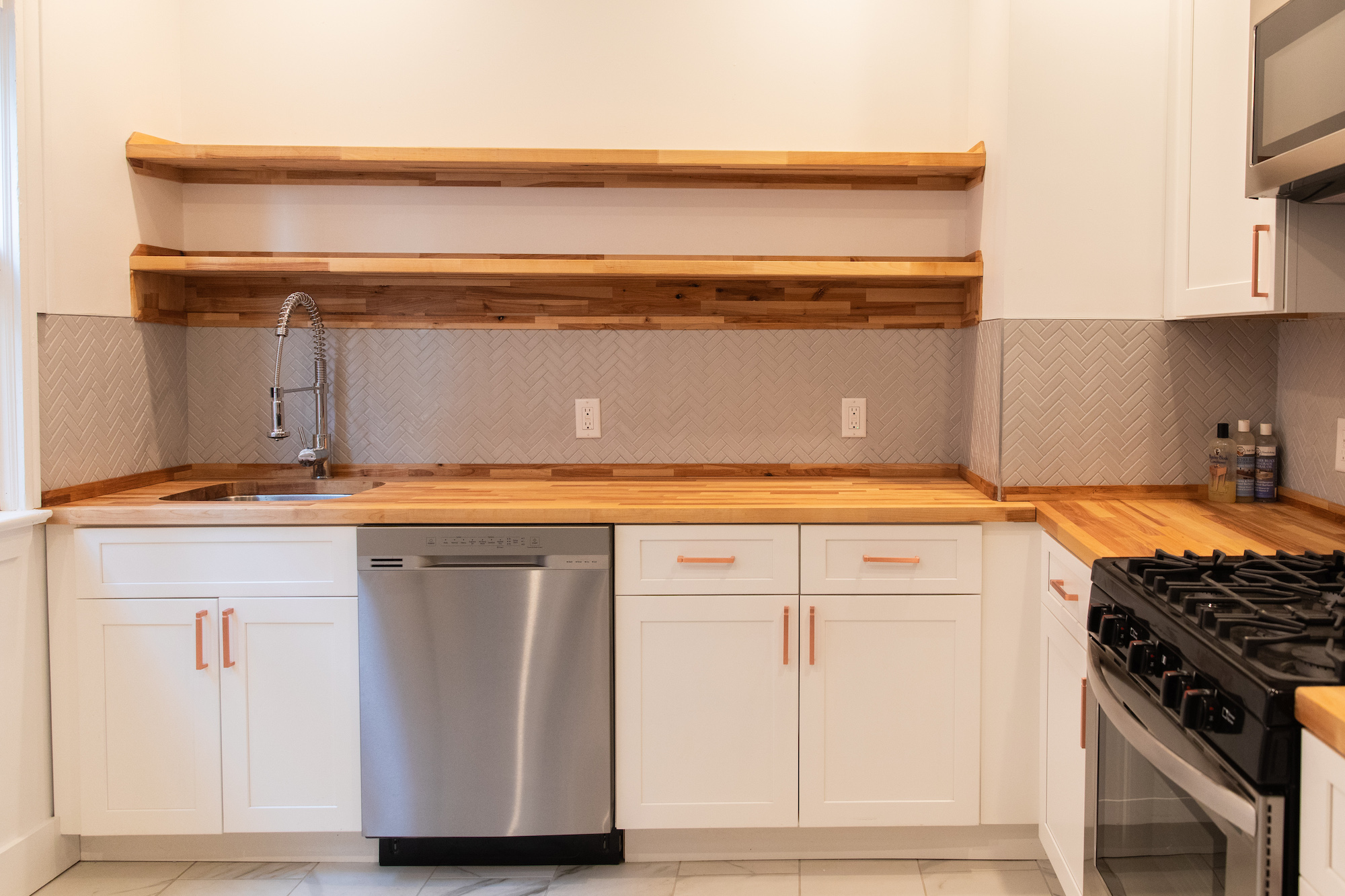
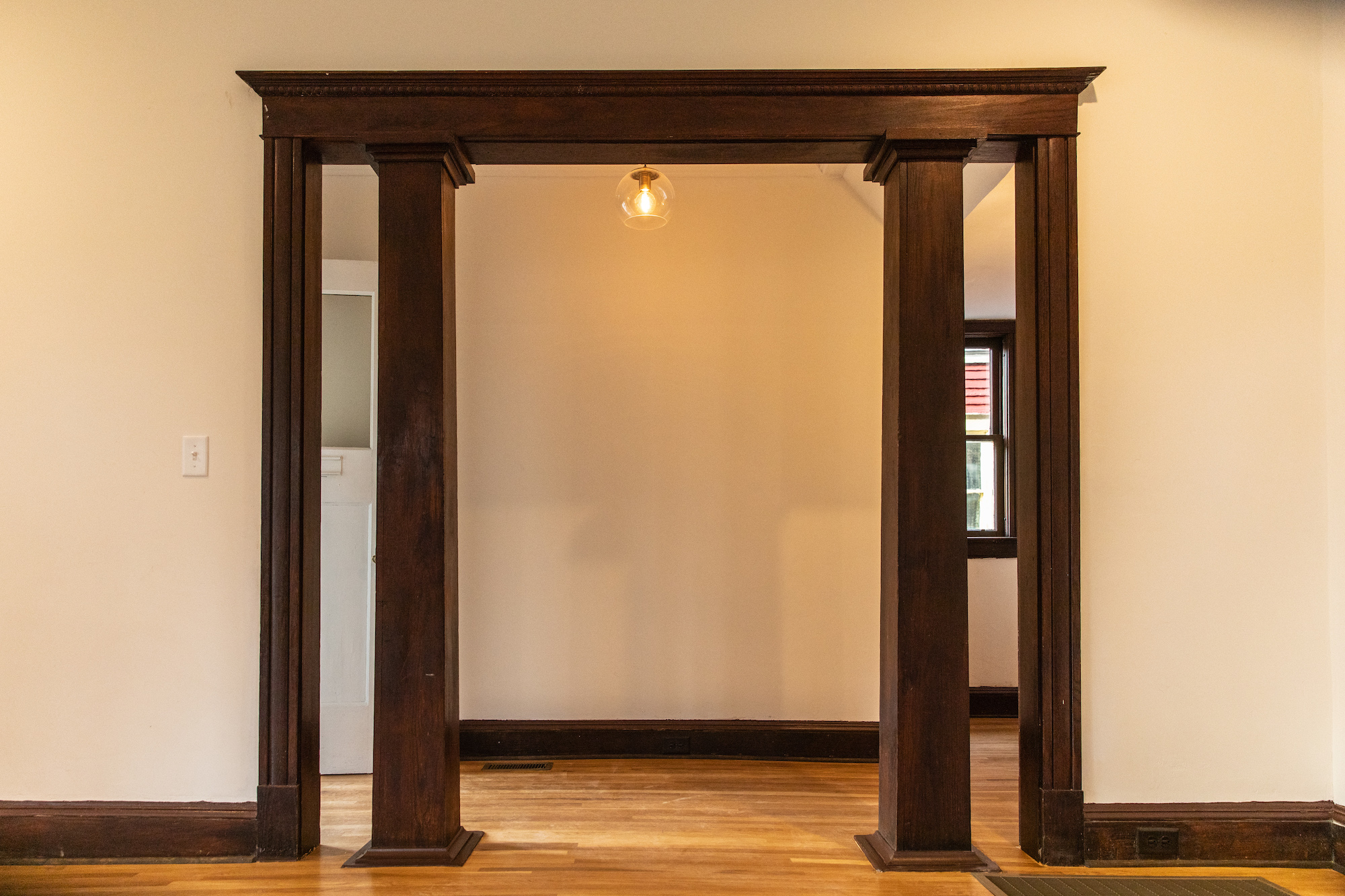
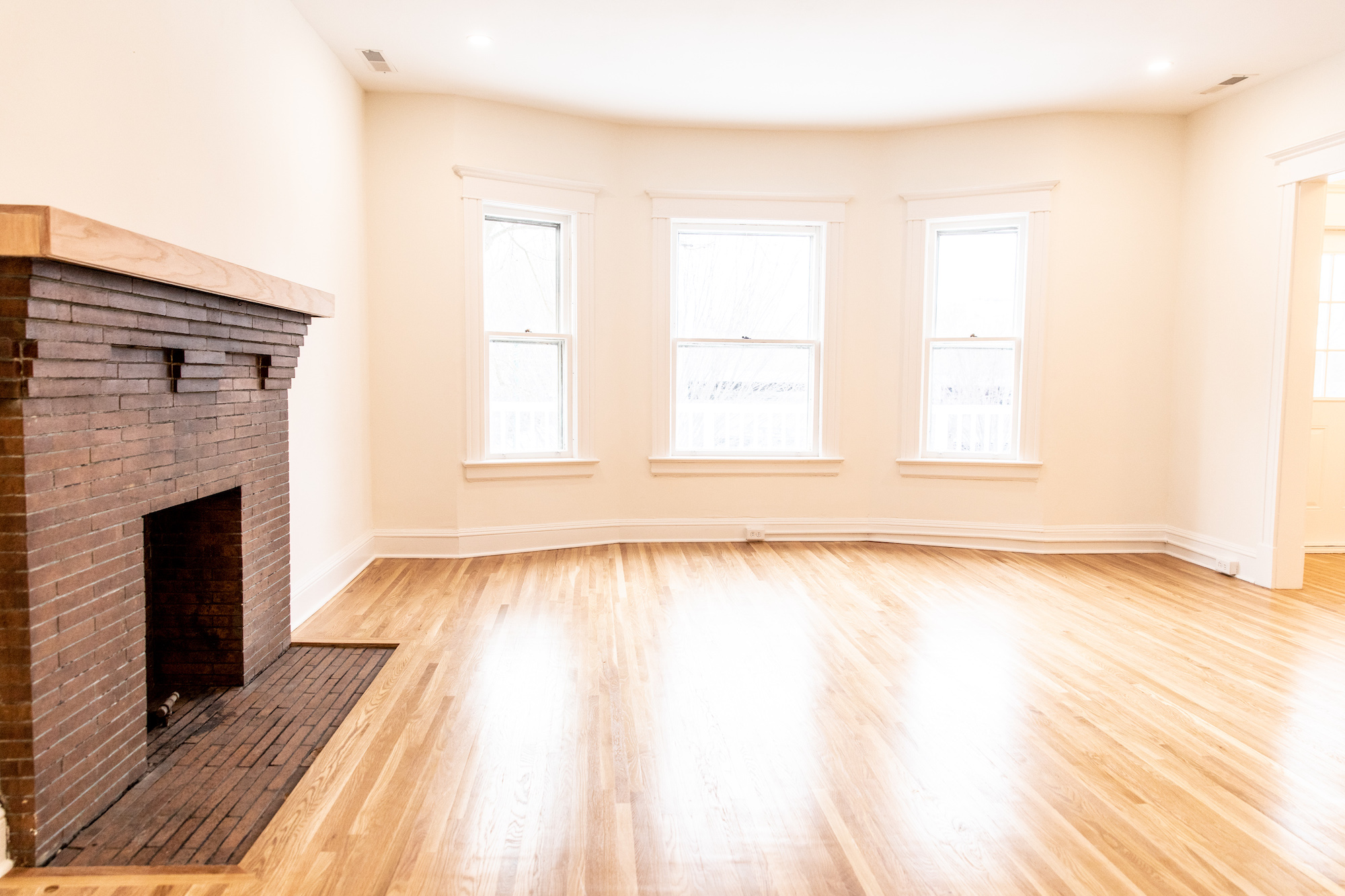
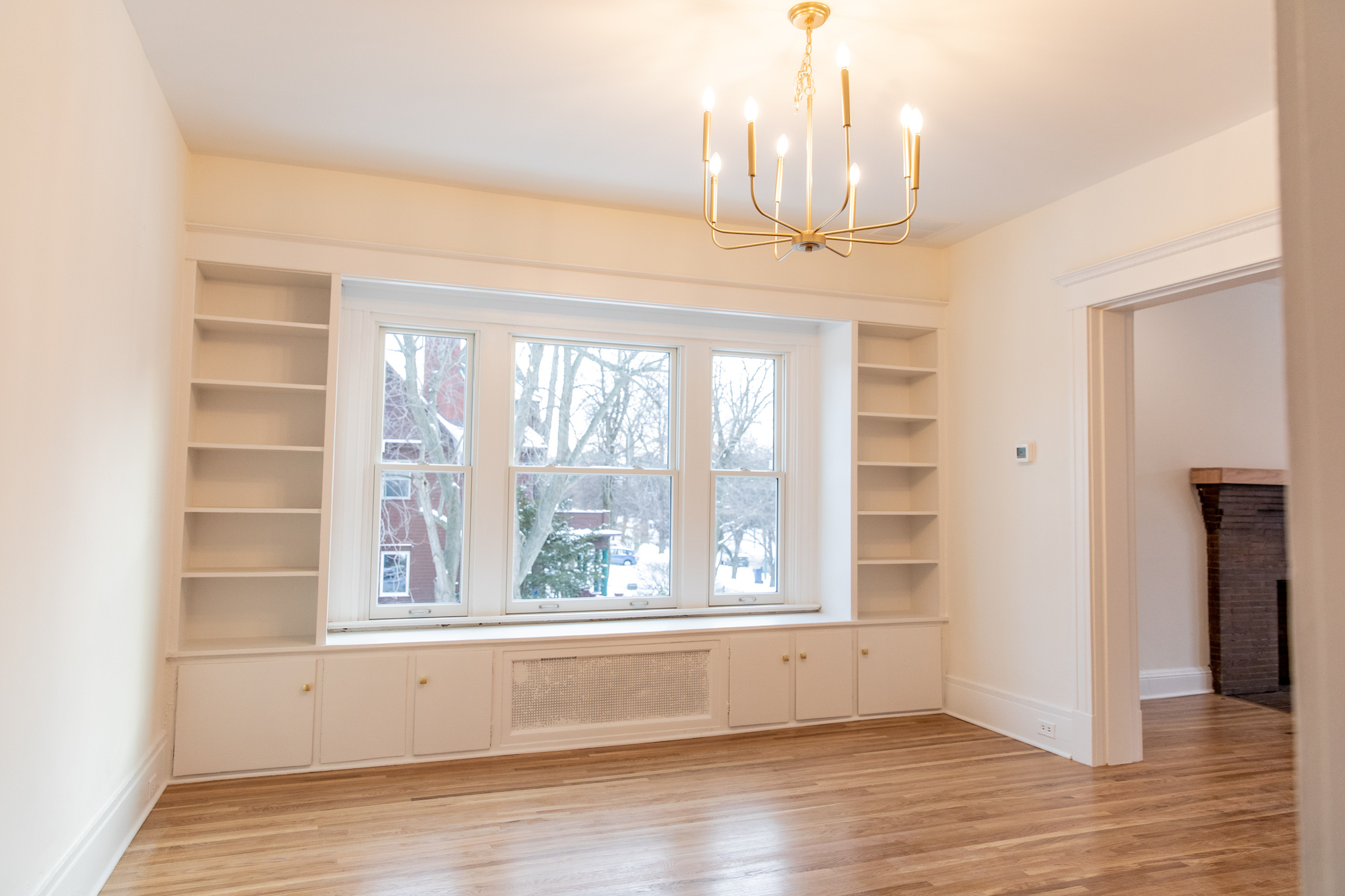
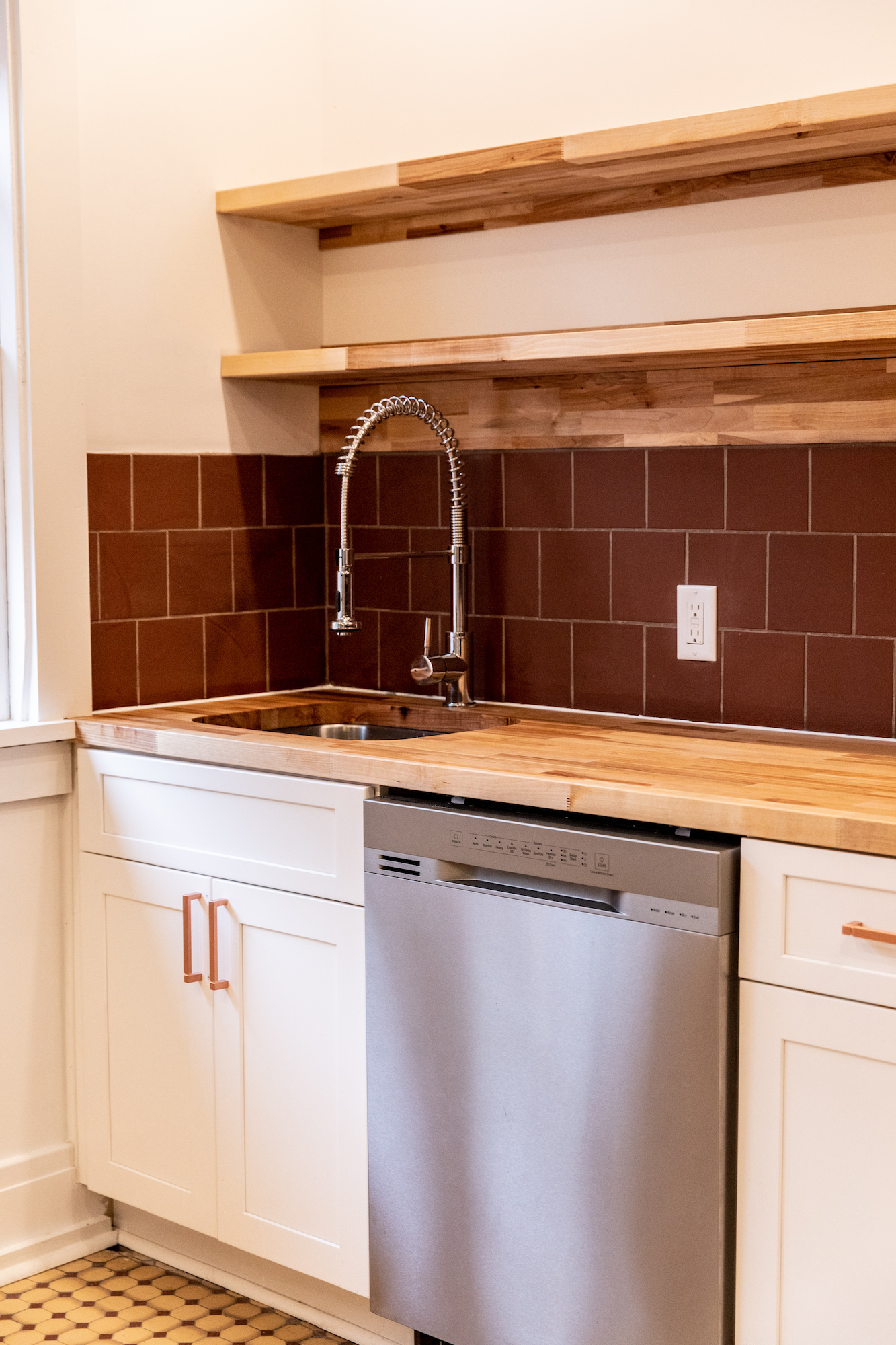
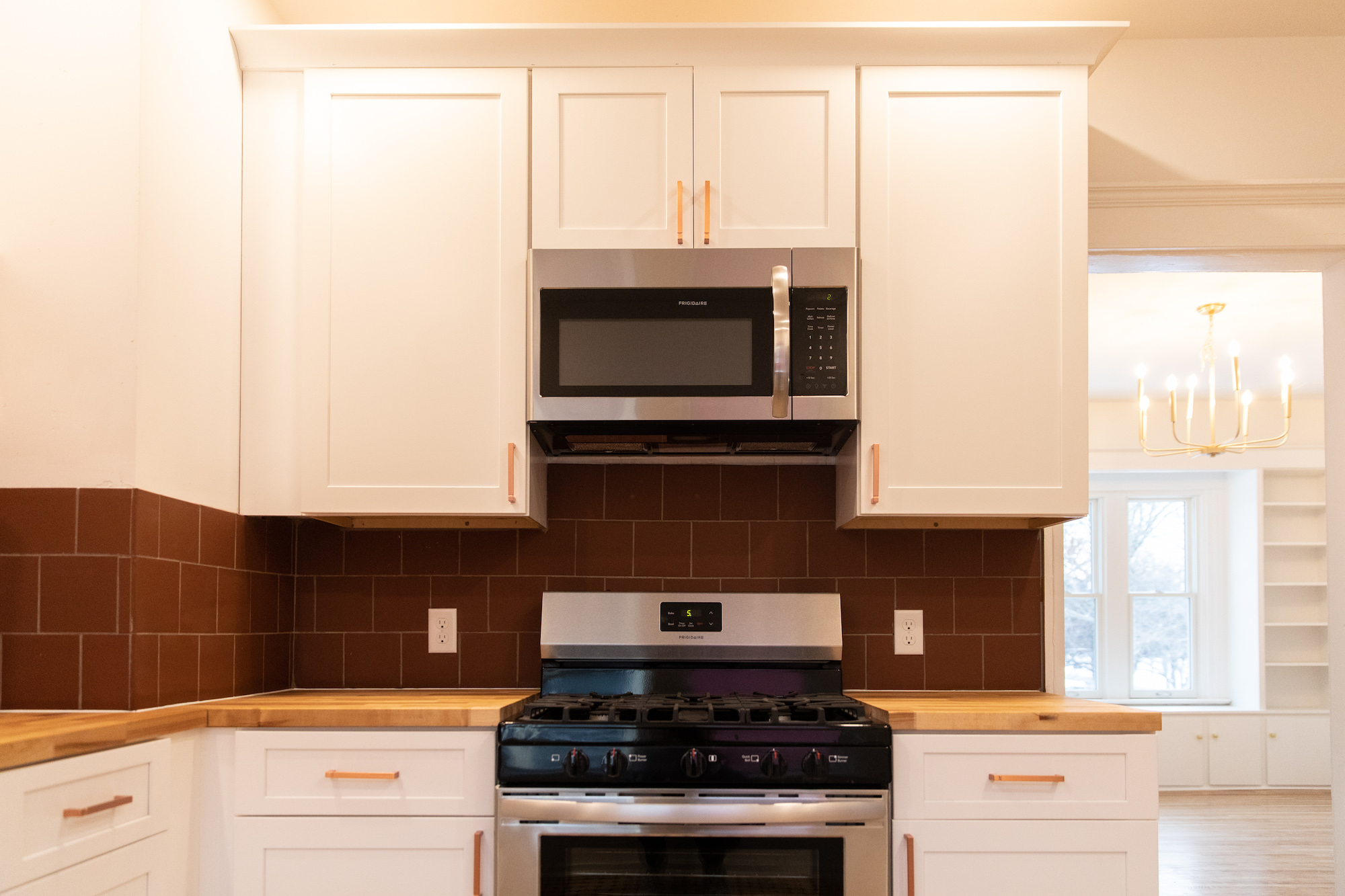
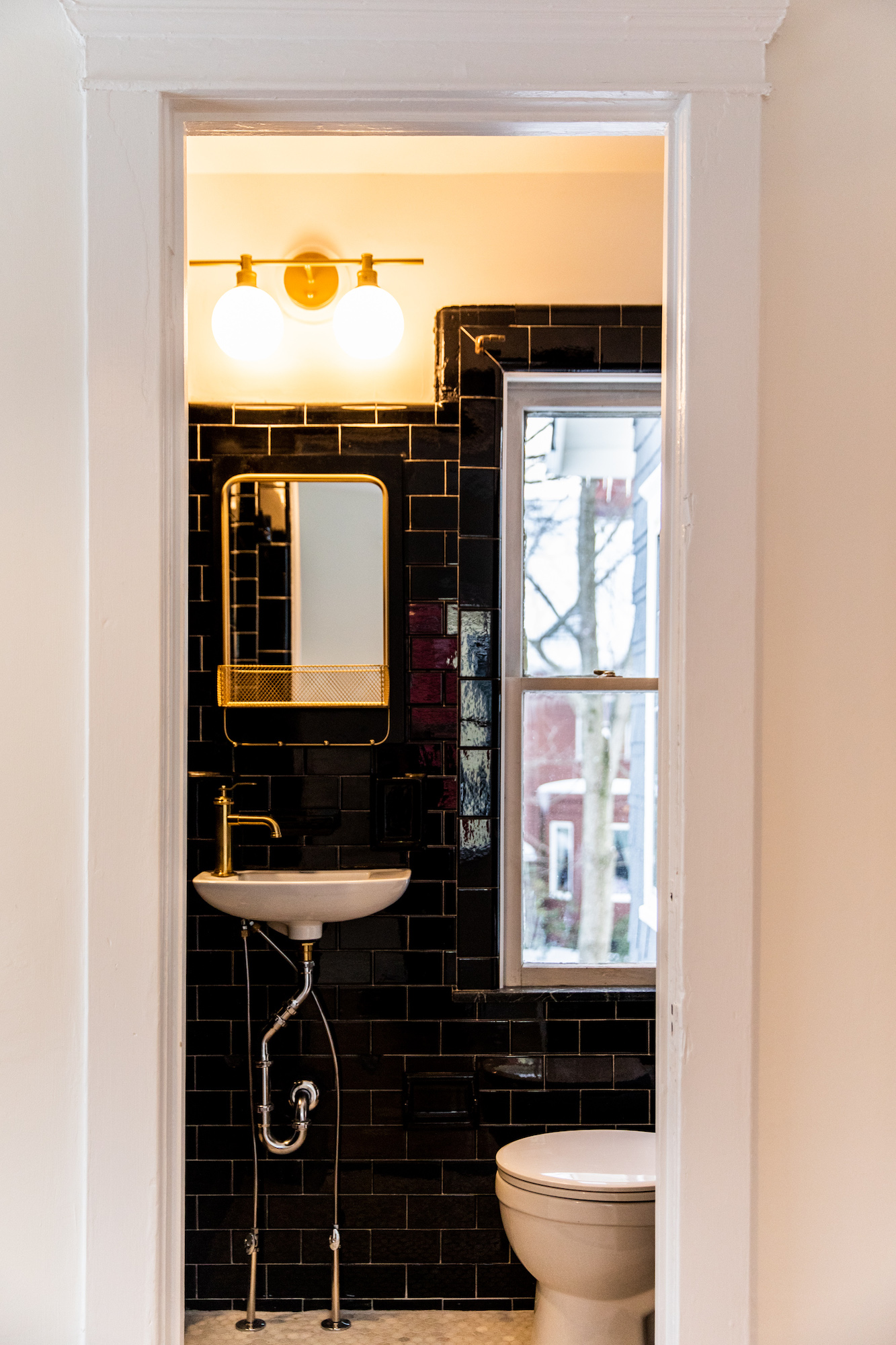
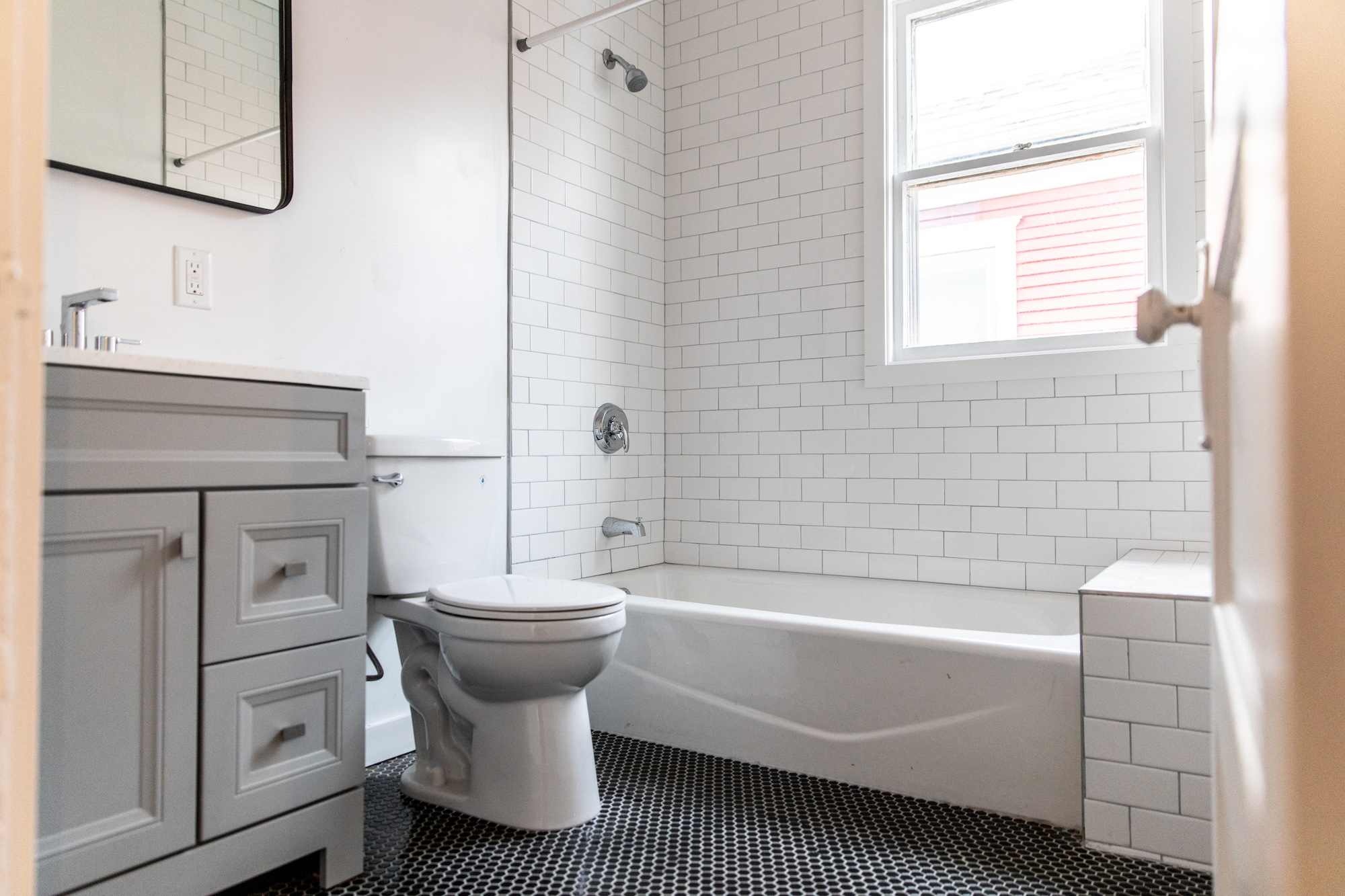
This 1860s cottage is full of detail original to the carpenter who built the home. In renovating this space, we restored the walls with plaster done in original application method, repaired original wood windows with handmade glass, brought the mechanicals up to current code and secured it structurally by rebuilding a shoddy foundation in what had been a rear addition.
The goal was to make the home feel modern while using materials that nodded to what would have been appropriate in the 1860s, such as penny tile and hexagon tile. The result is a redesigned home that remains situated within its historic context.


14th Street Cottage
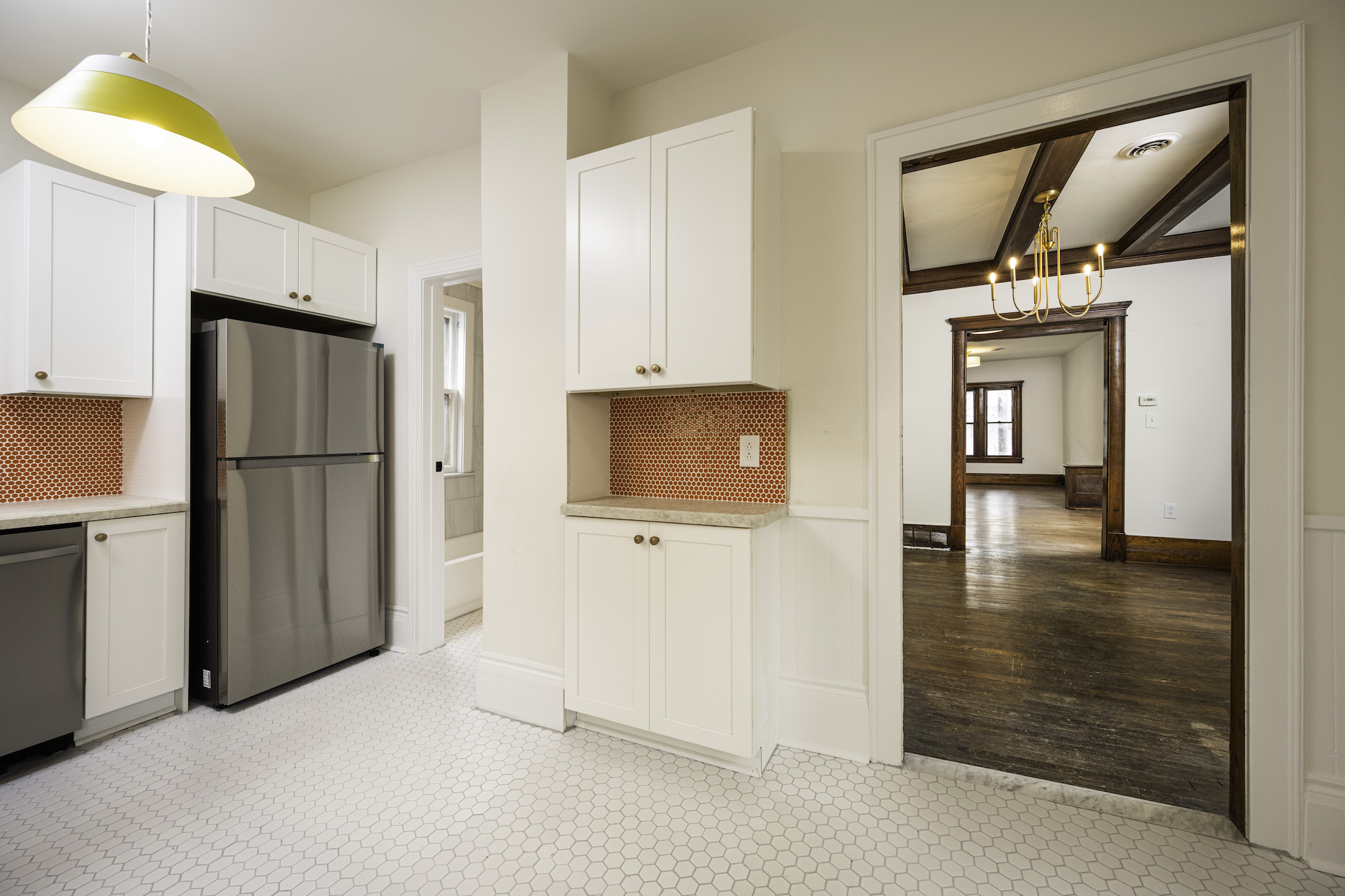
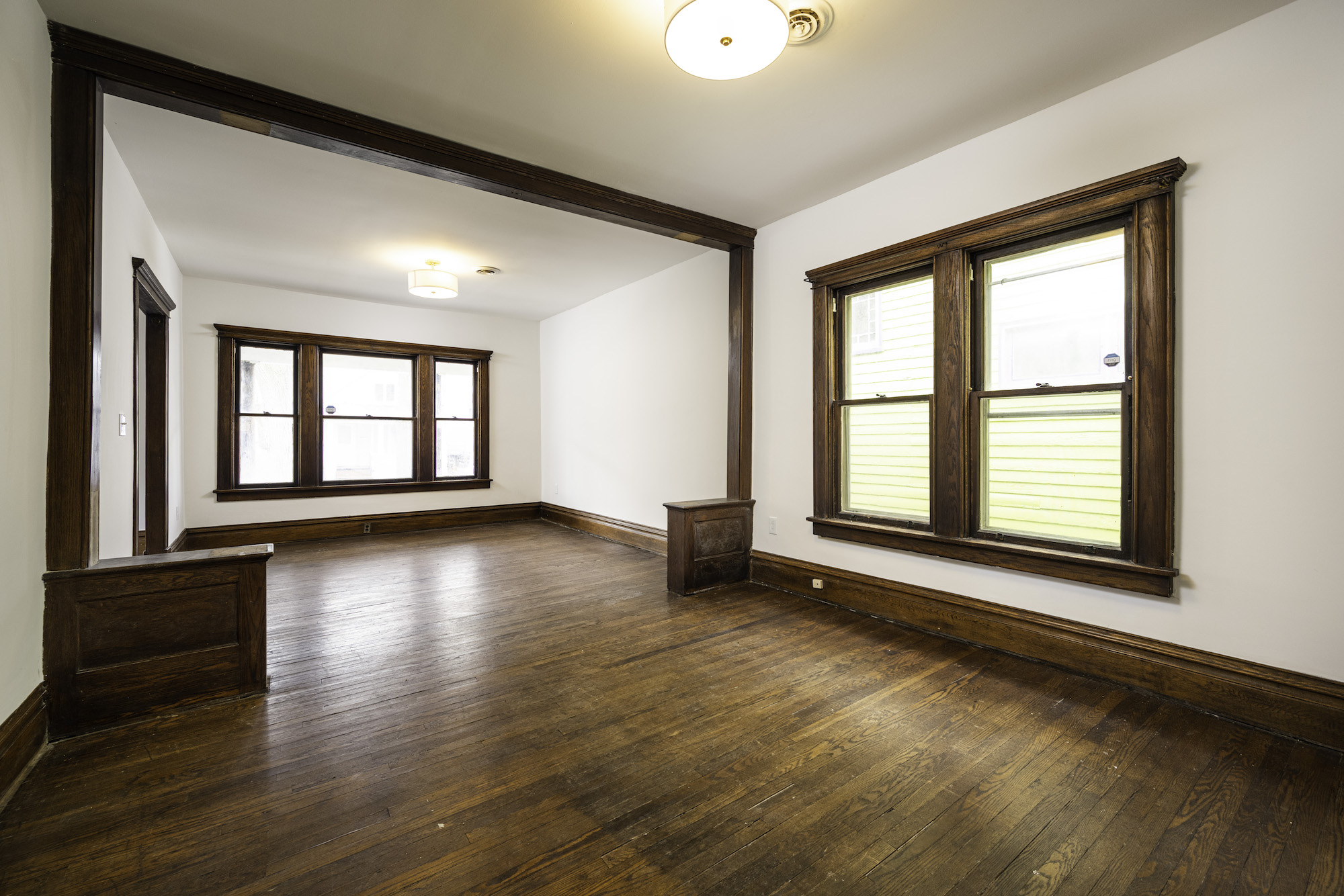
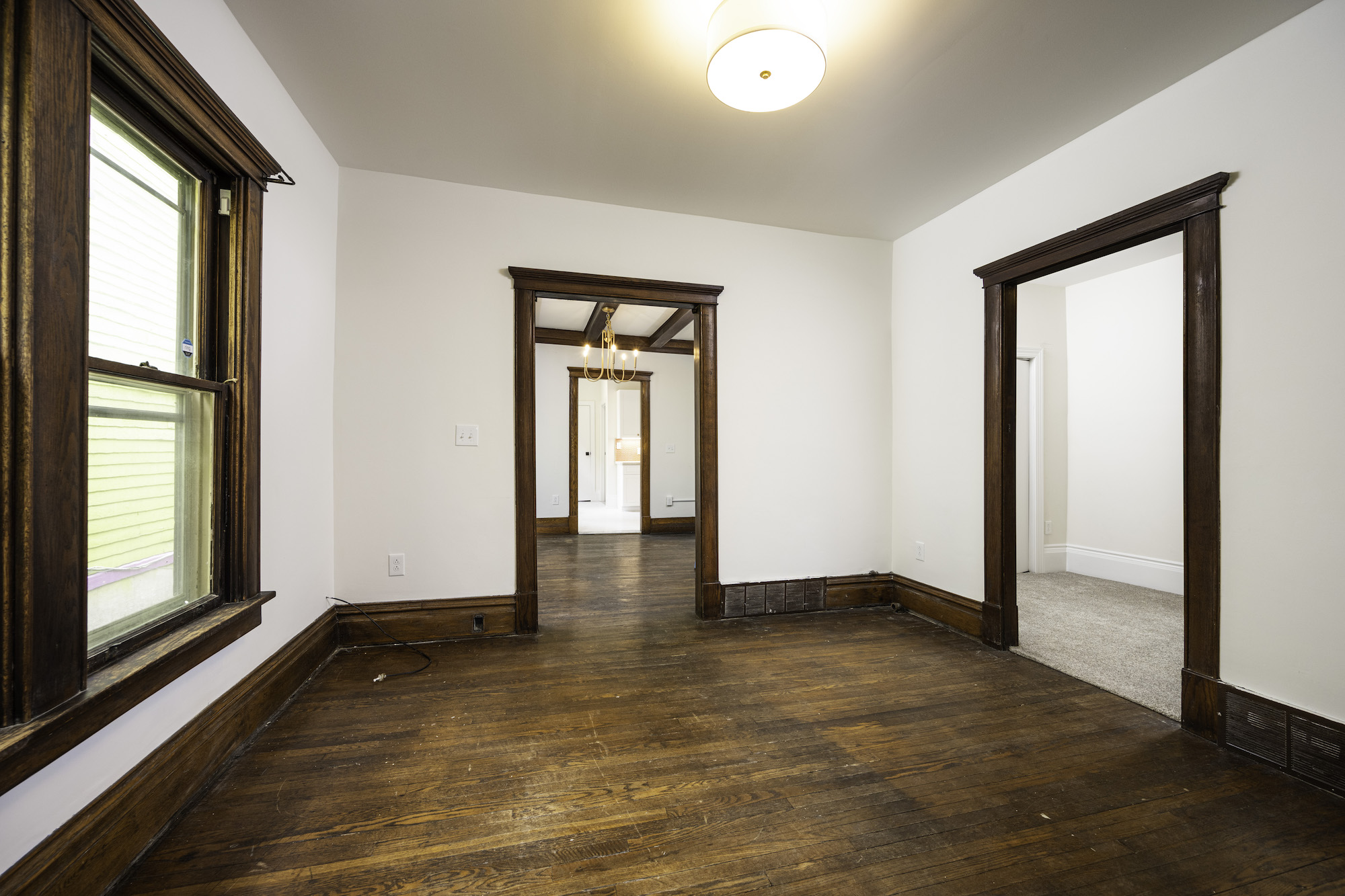
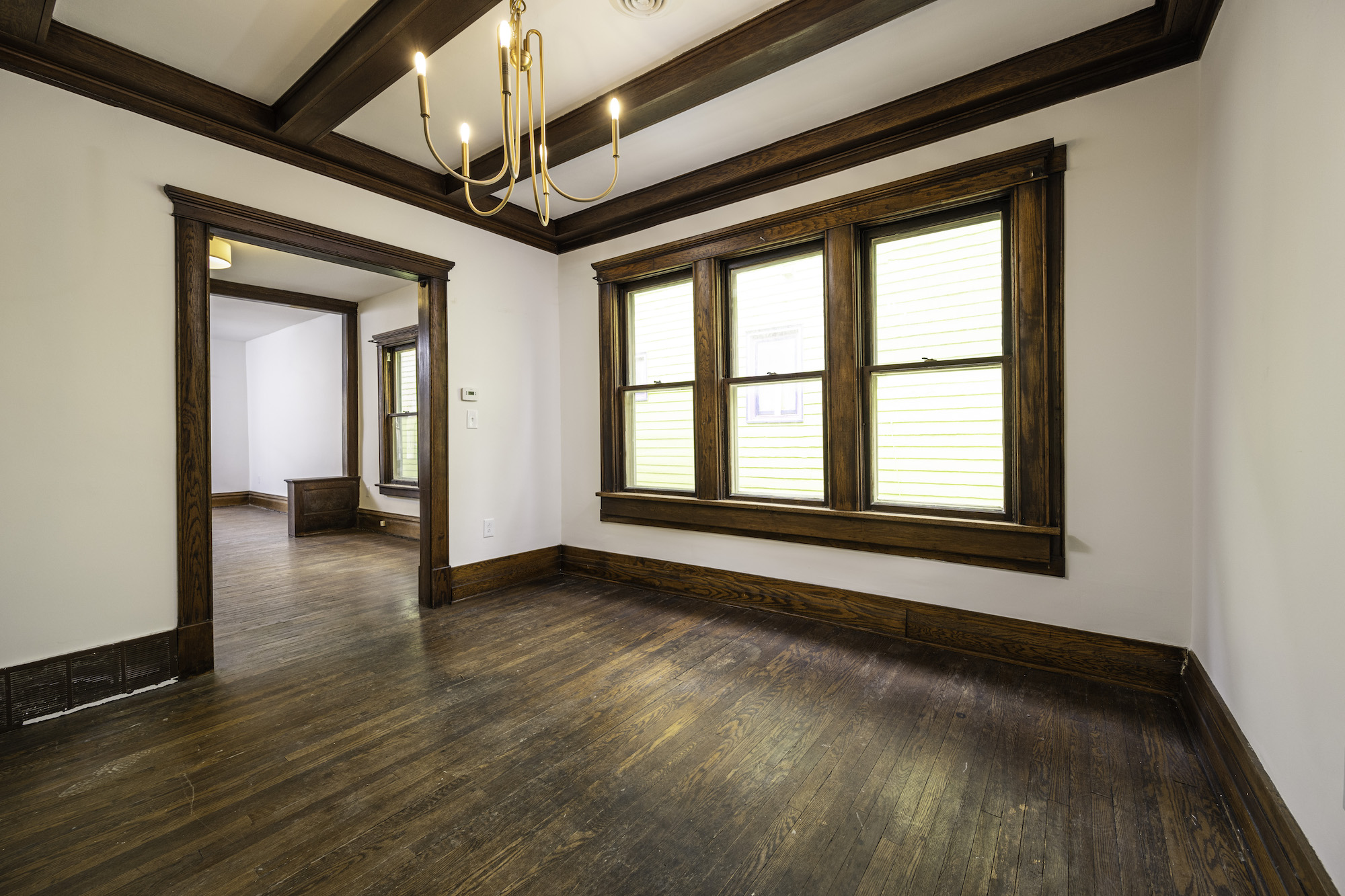
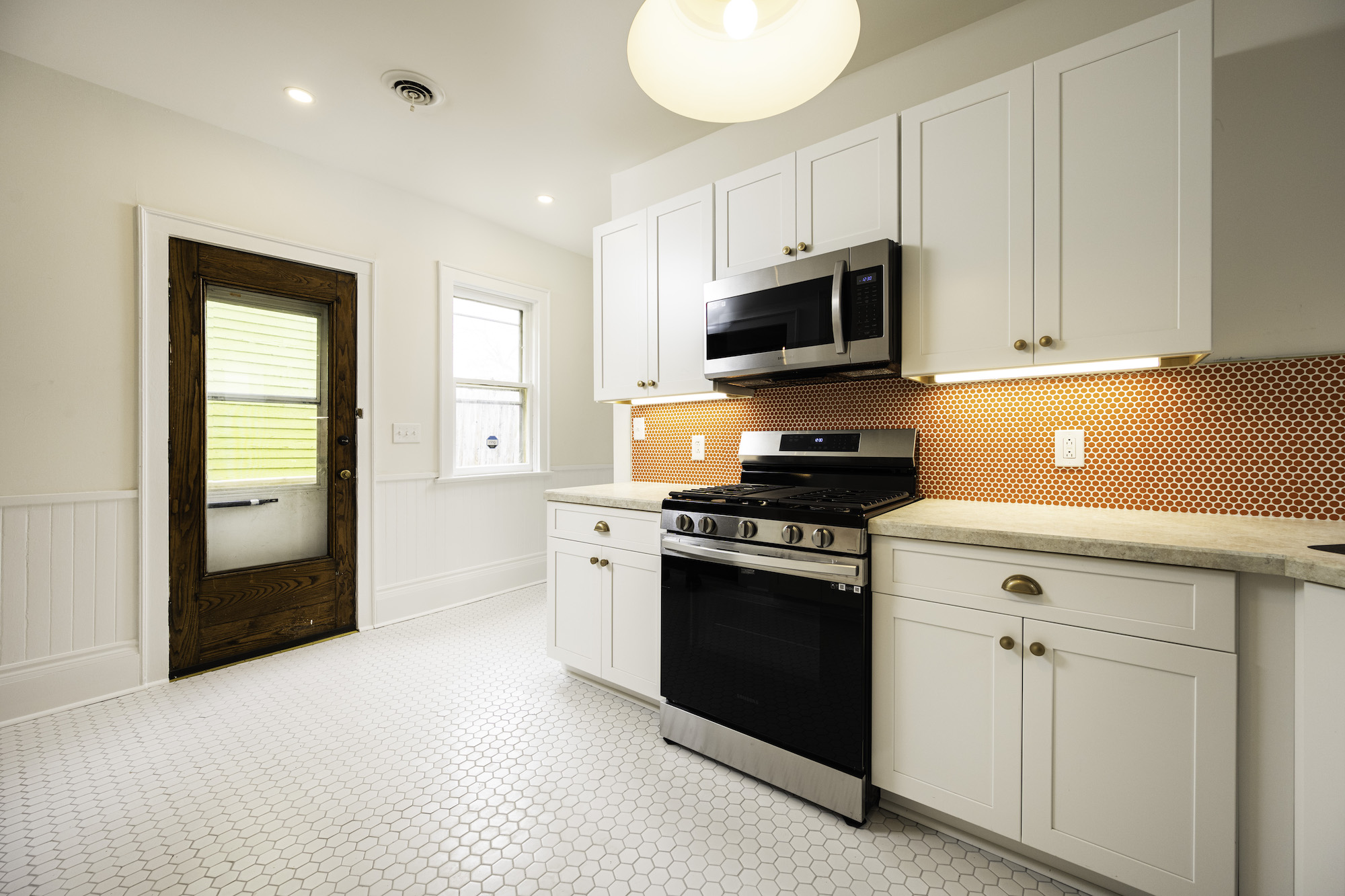
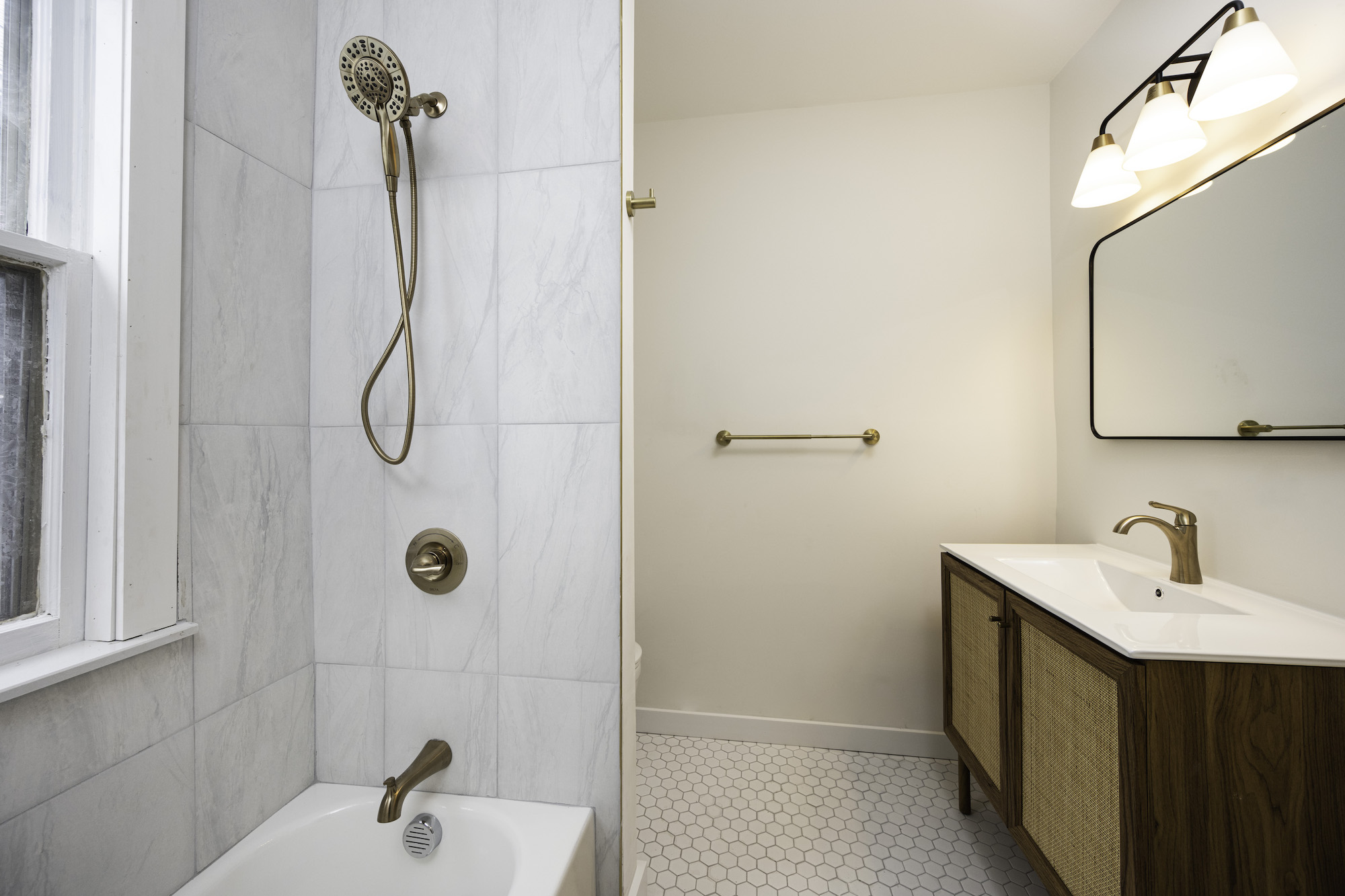
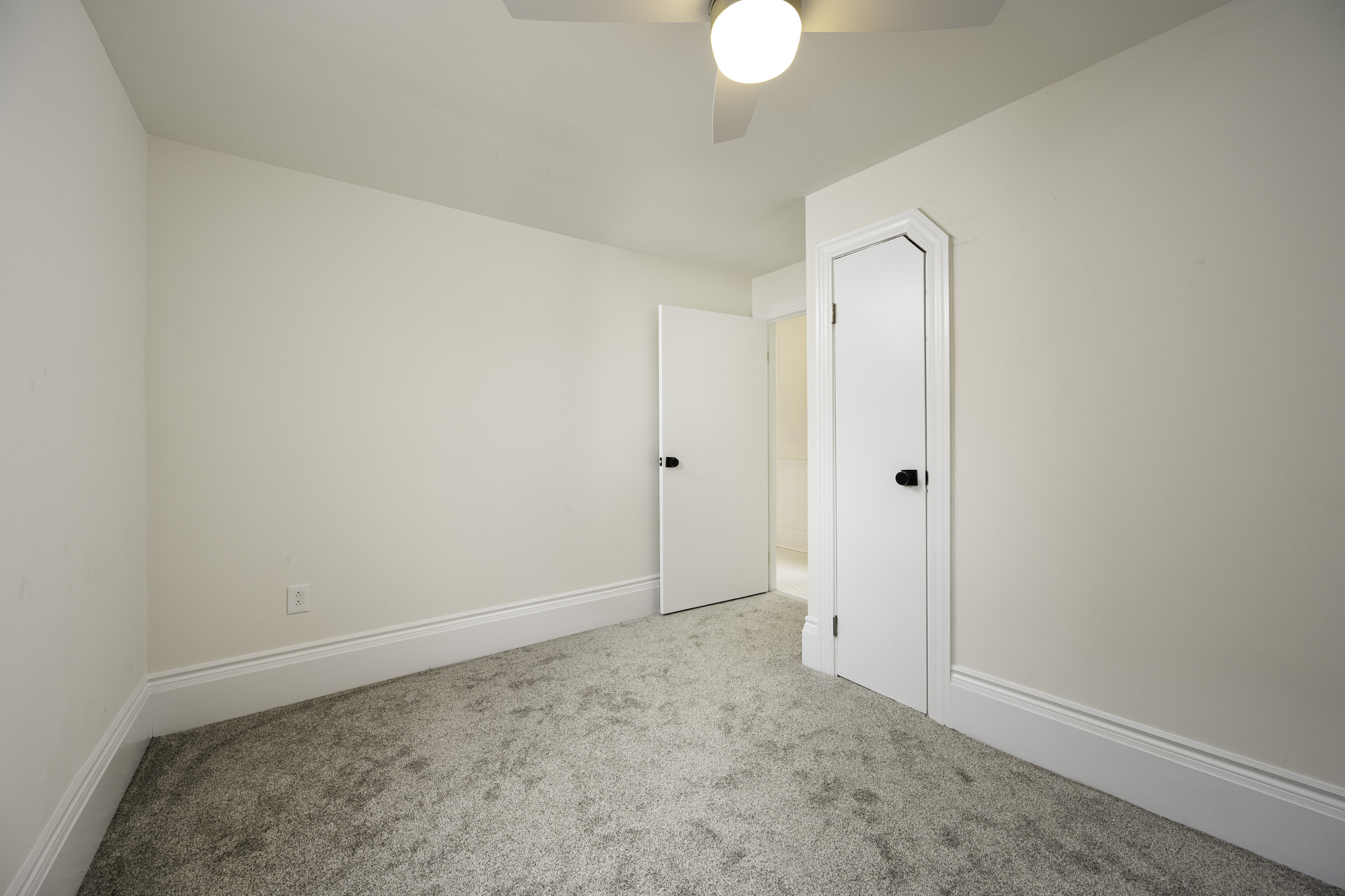
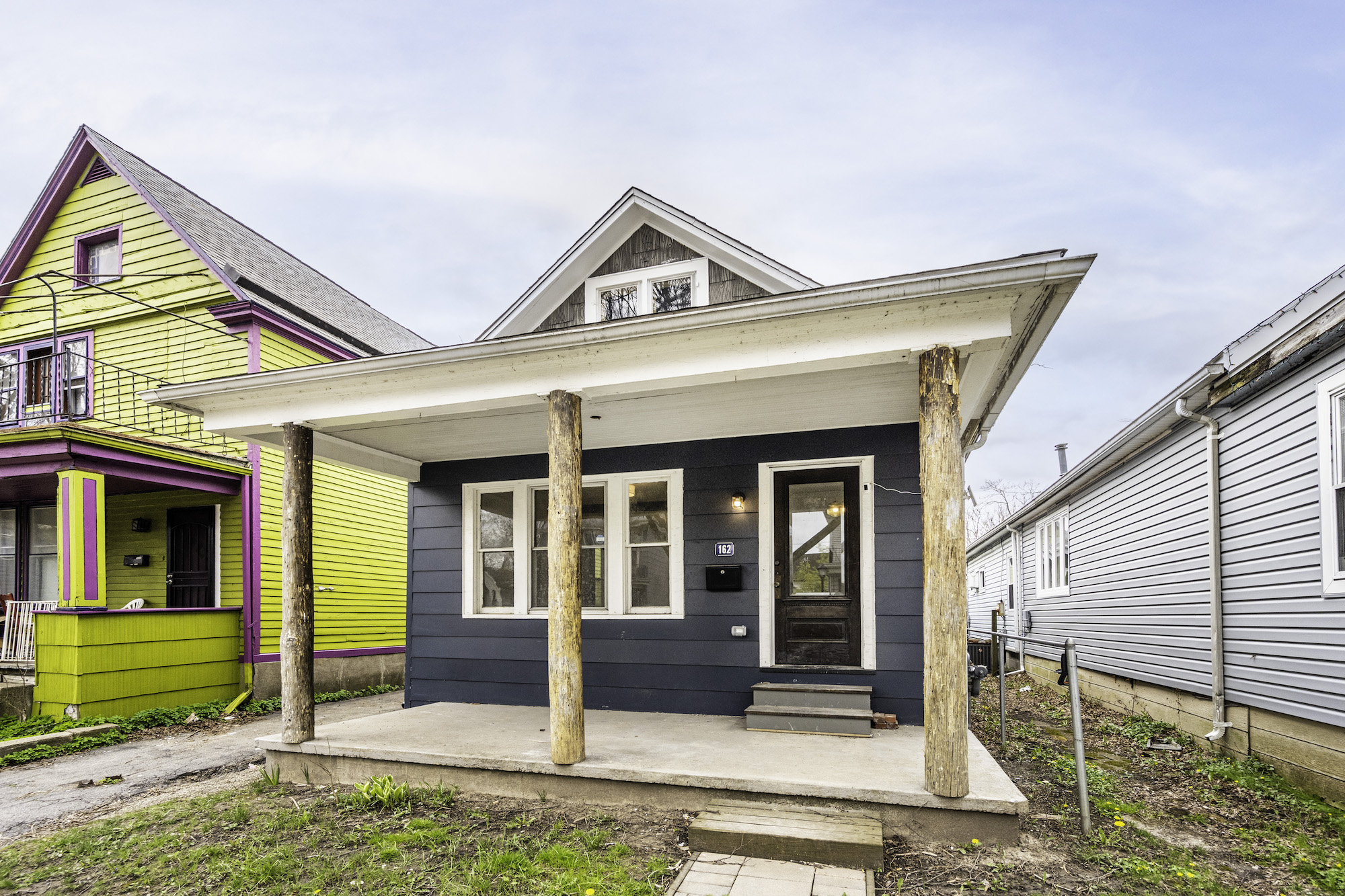
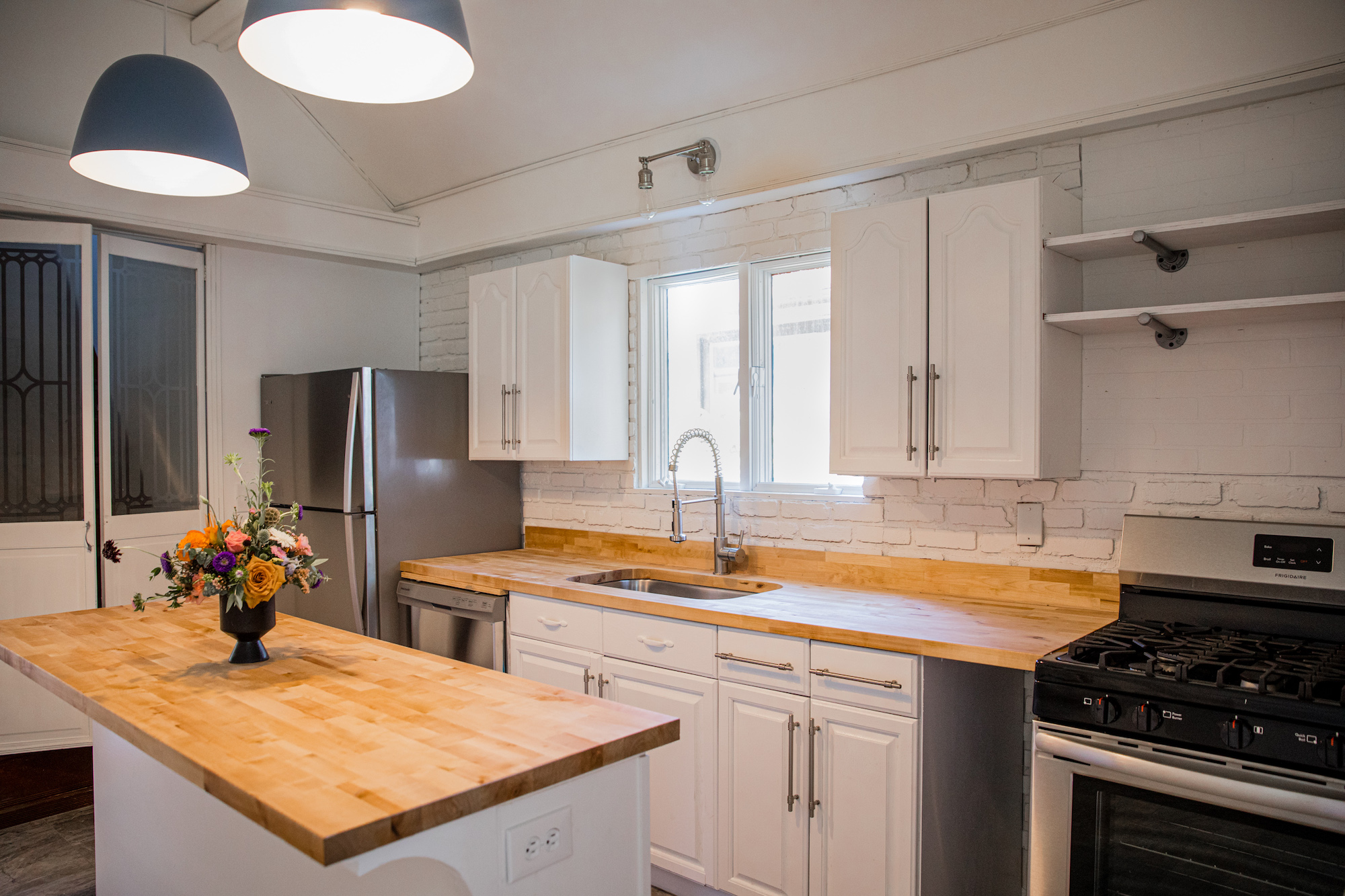
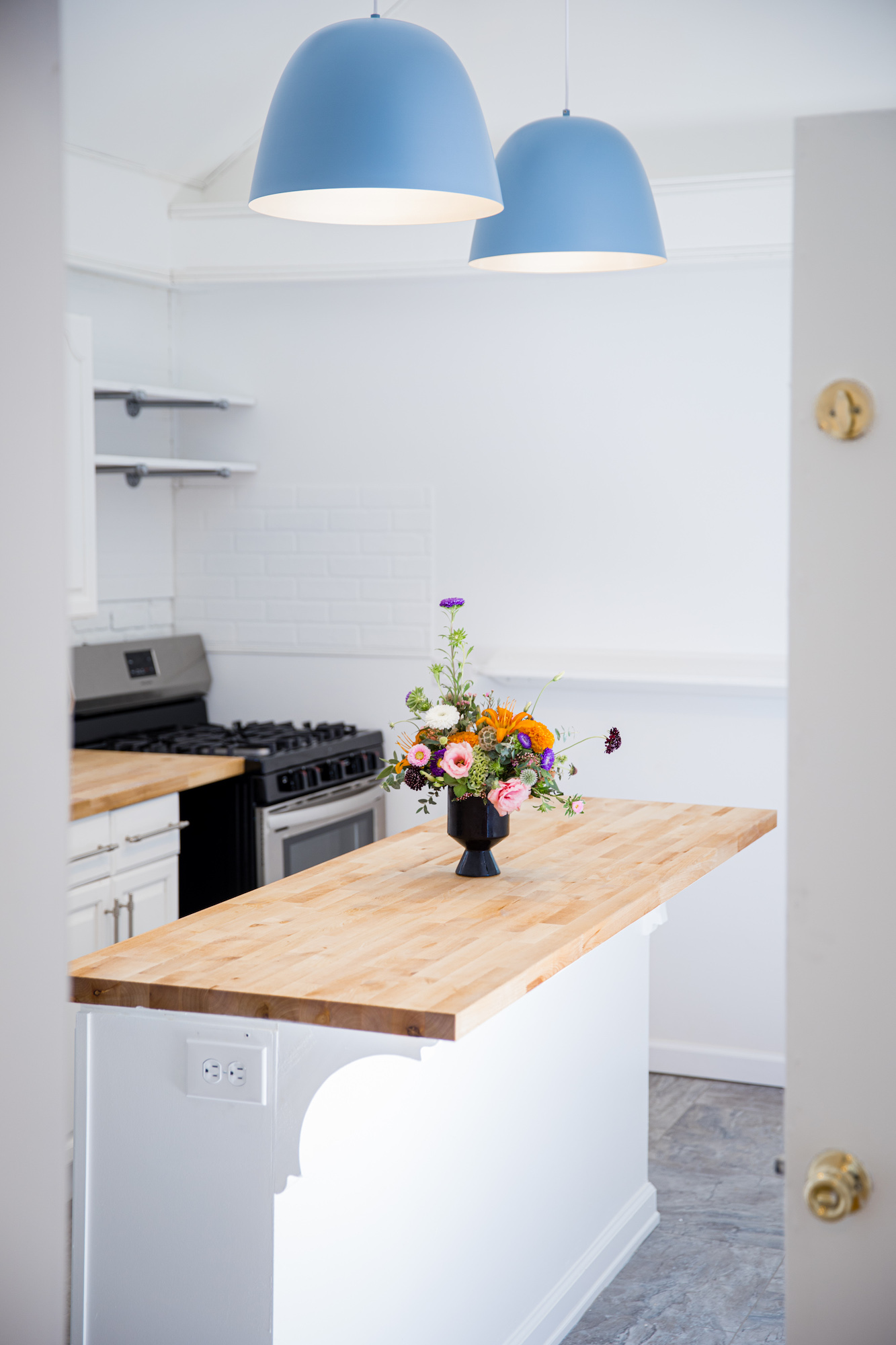
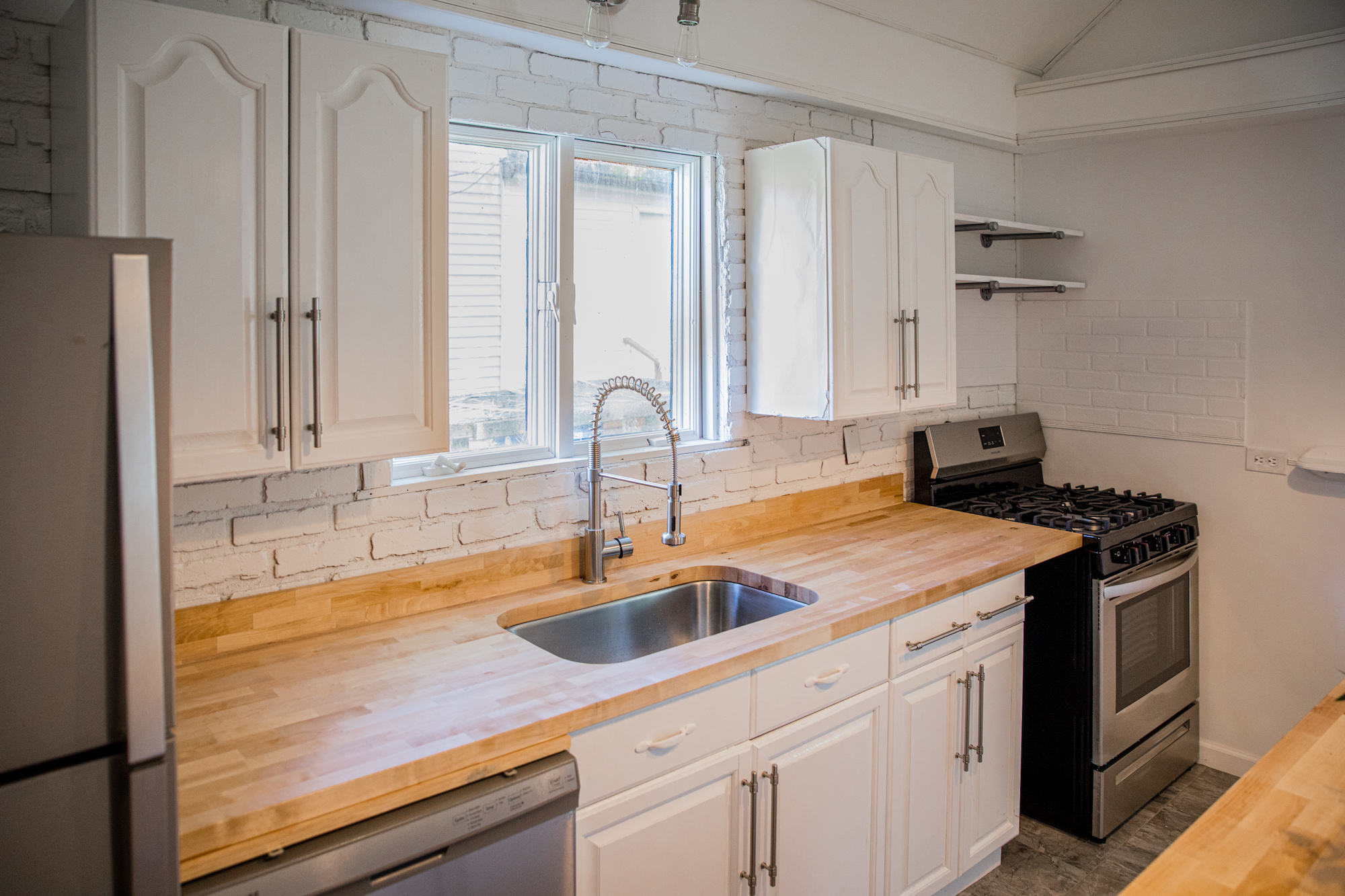
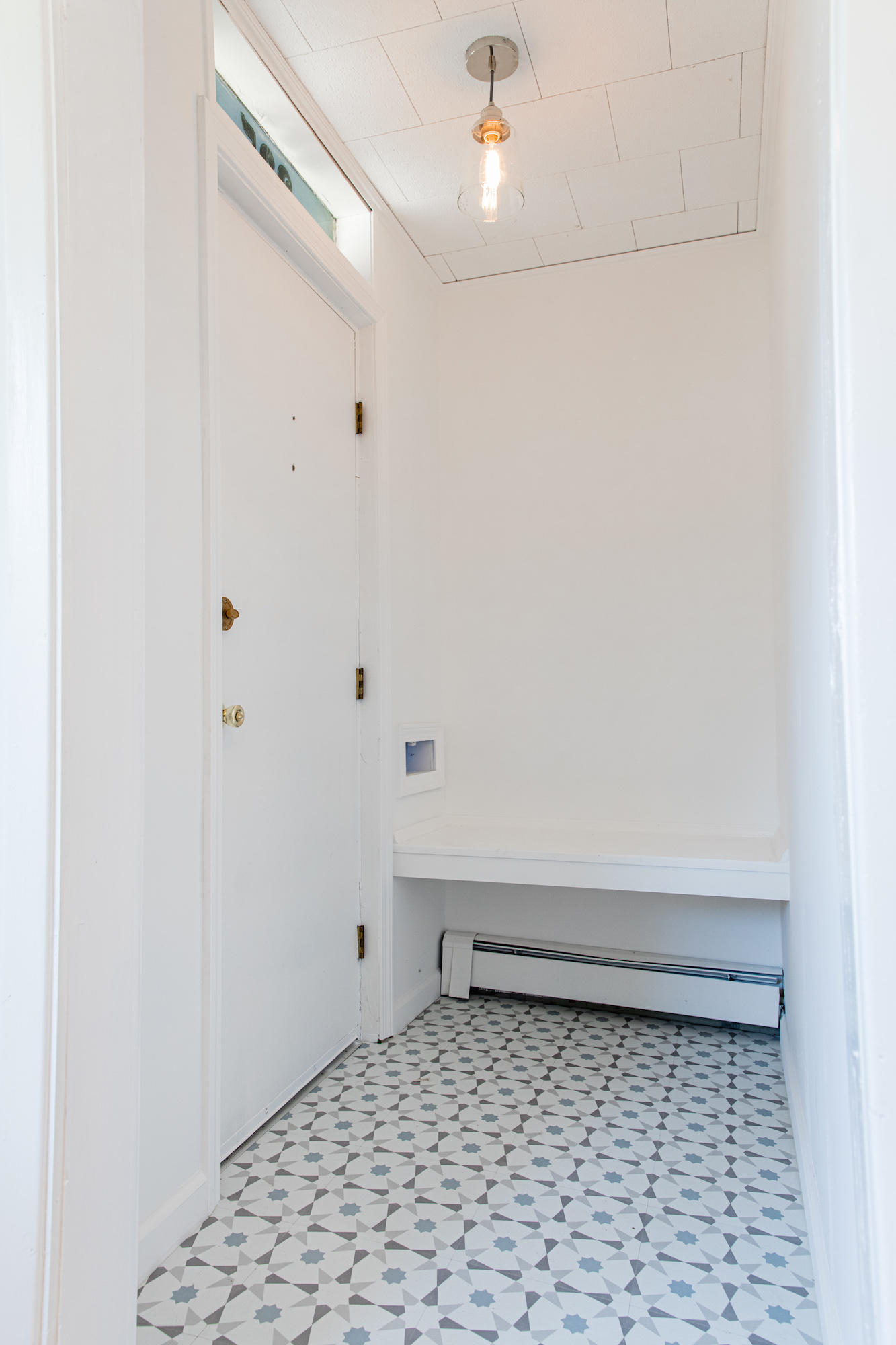
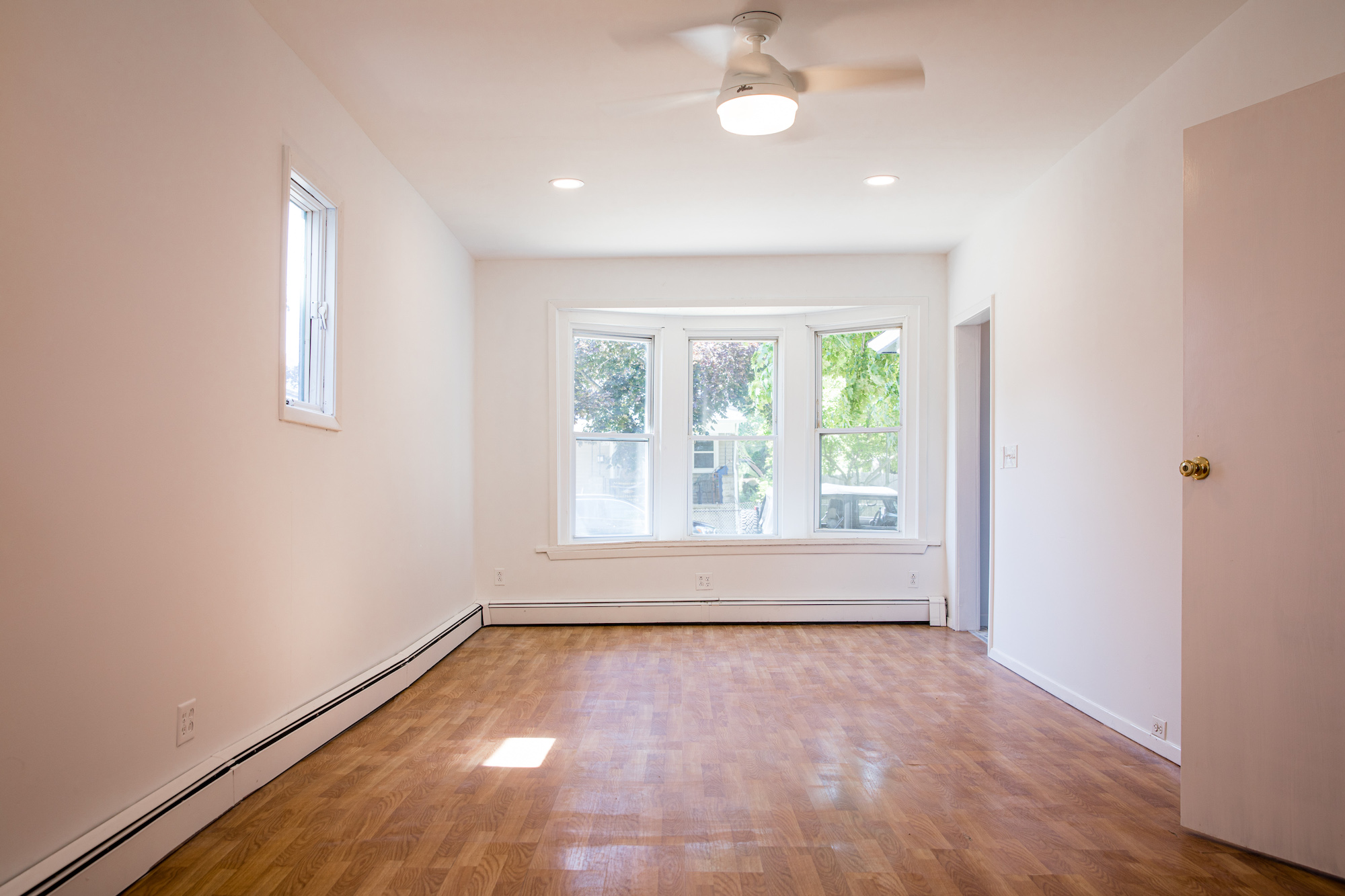
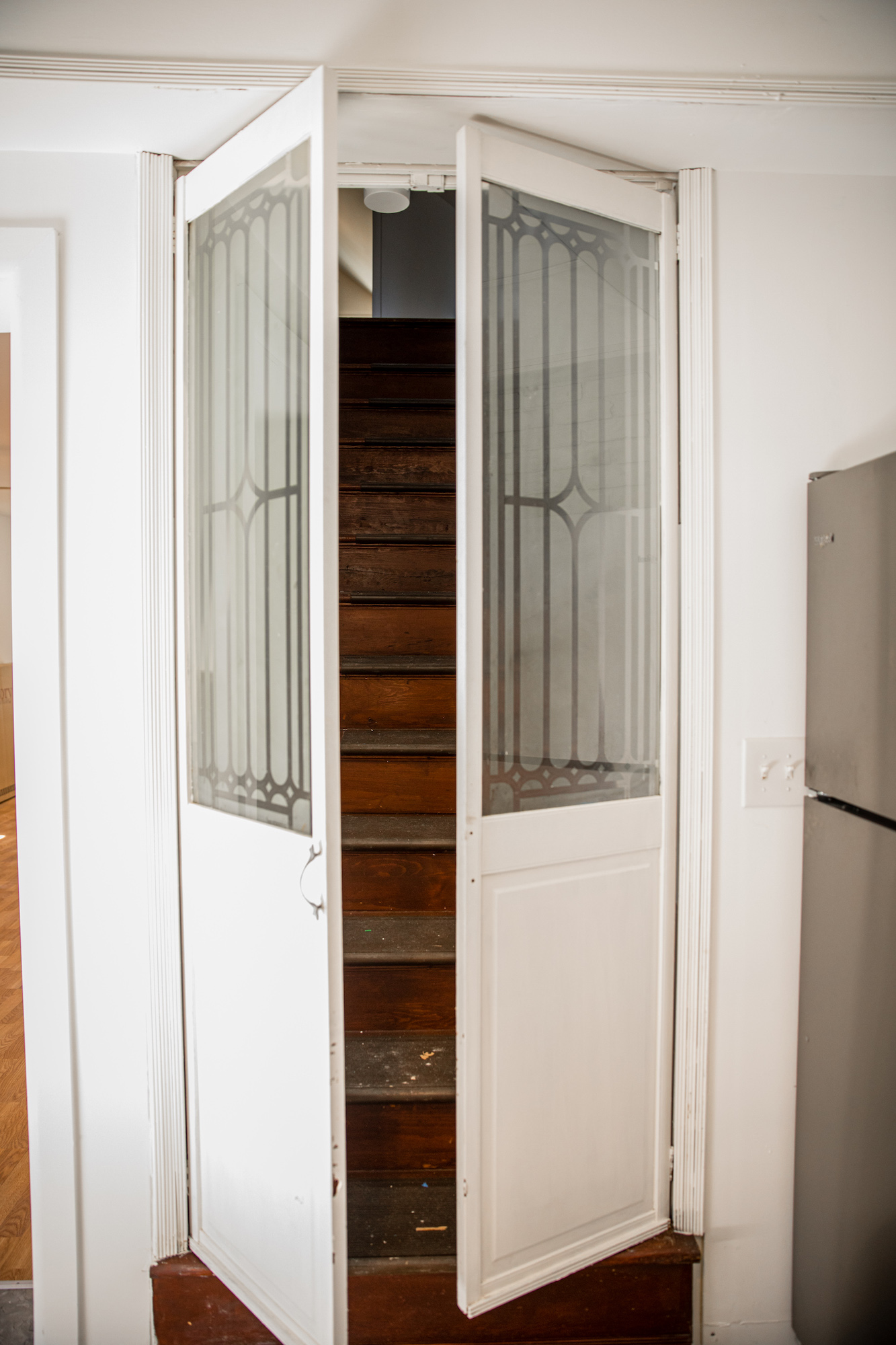
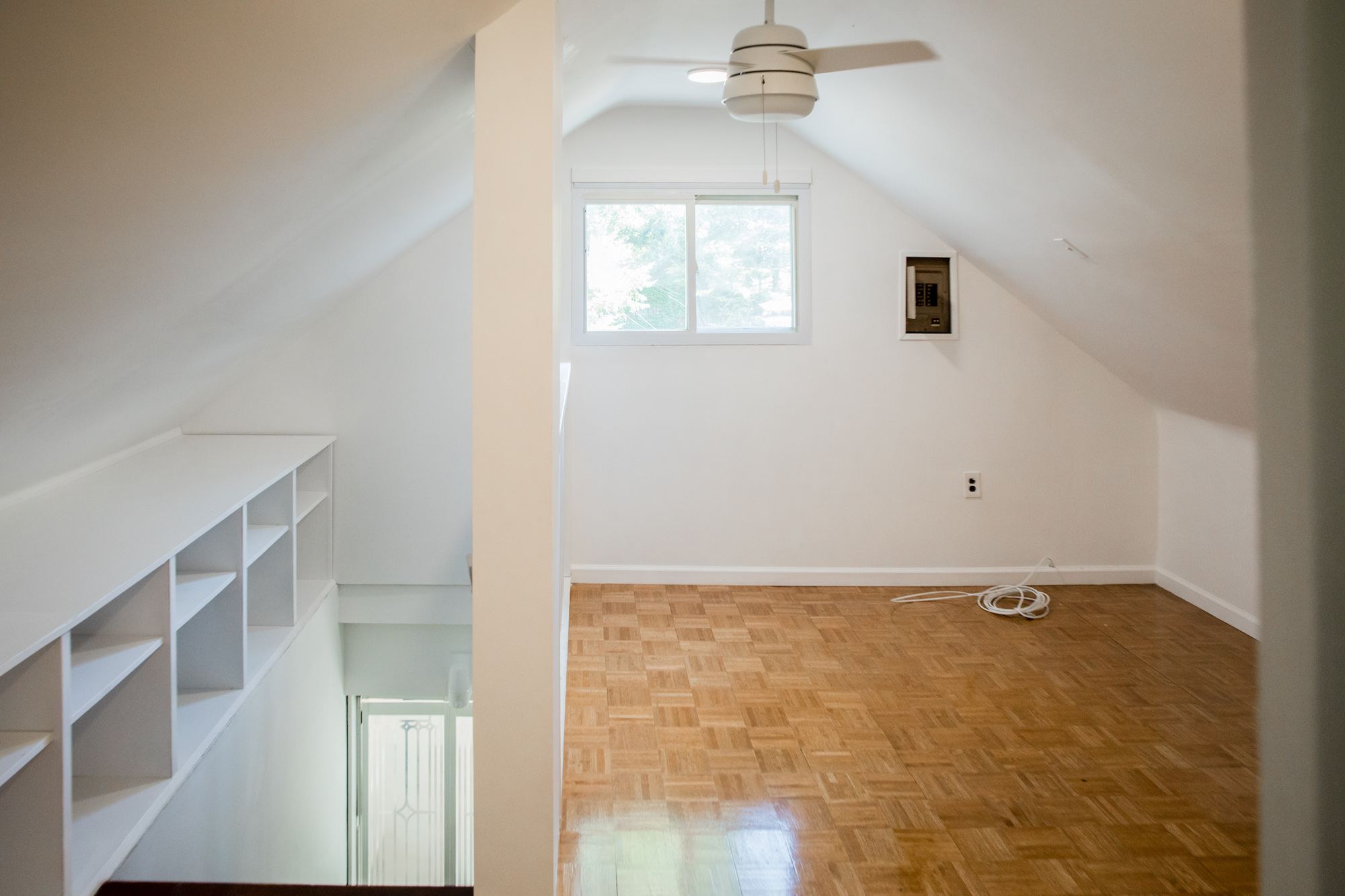
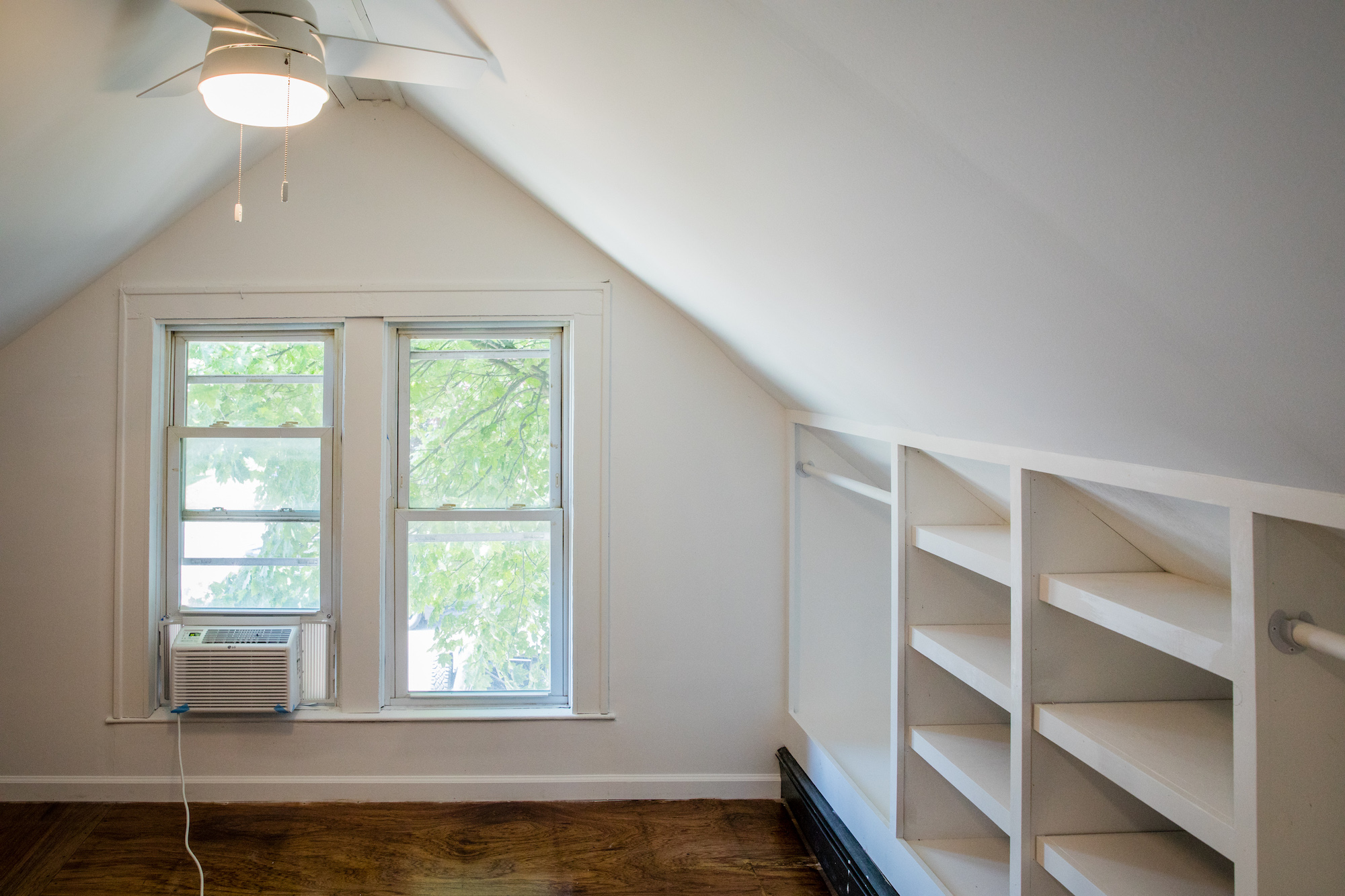
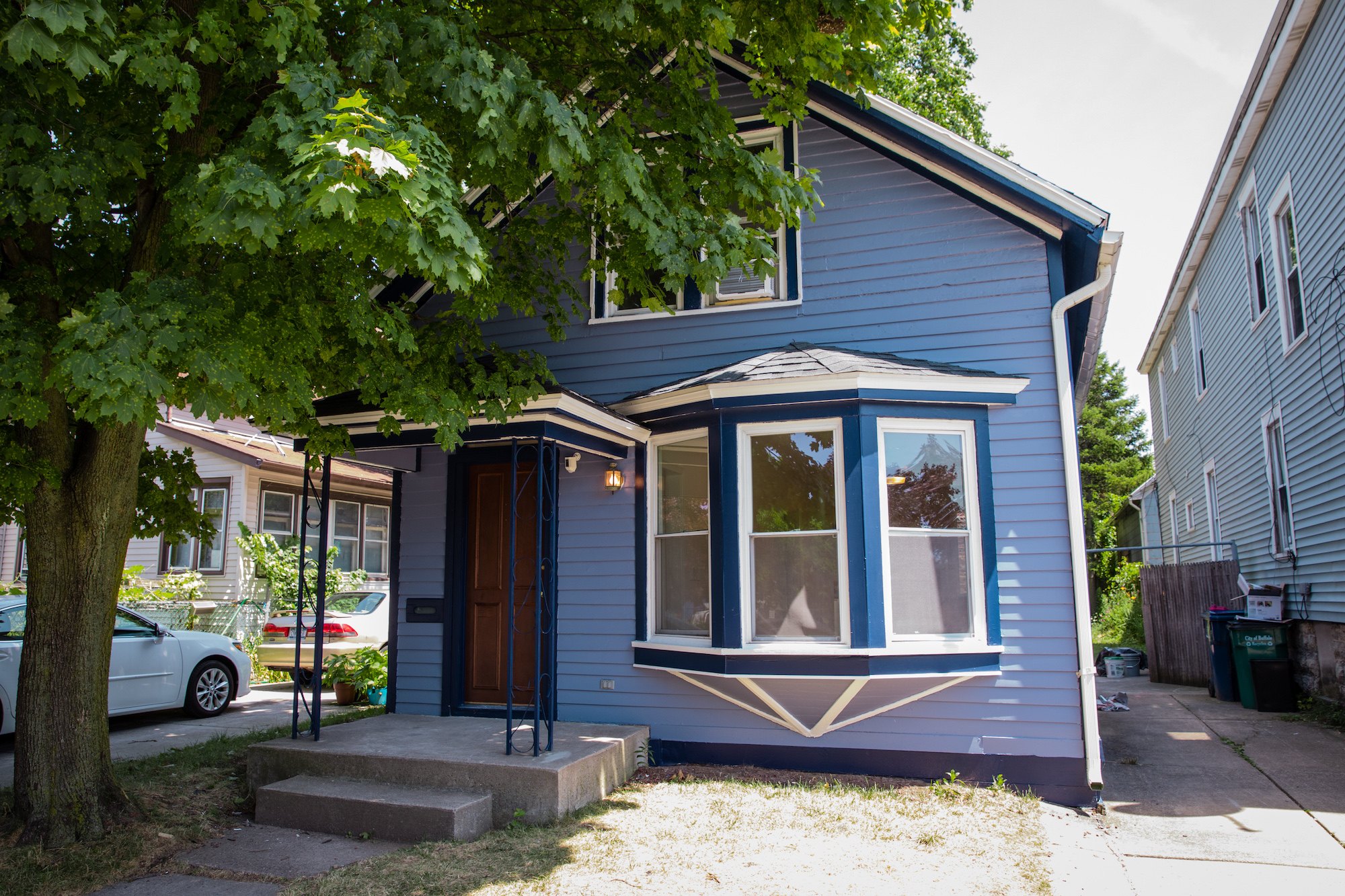
Some projects don’t have to go down to the studs. In this project, we had a conservative budget that we needed to use to appeal to a modern renter. With that in mind, we stabilized the house and fixed broken fixtures, creating a highly rentable space without needing to completely renovate the home.
This house generates consistent income for its owner. It was updated with durability in mind and remains easy to maintain on a conservative budget.

 Haley Hartmans